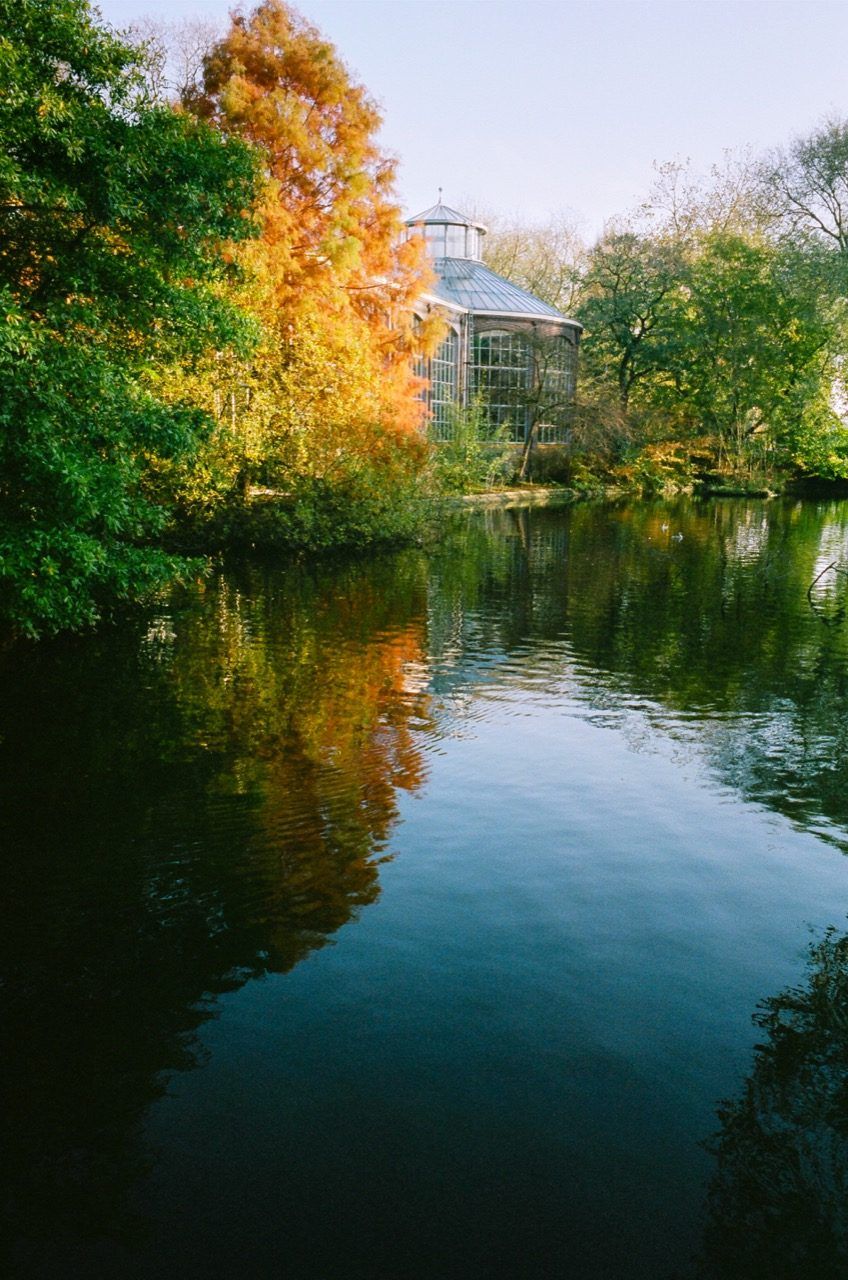
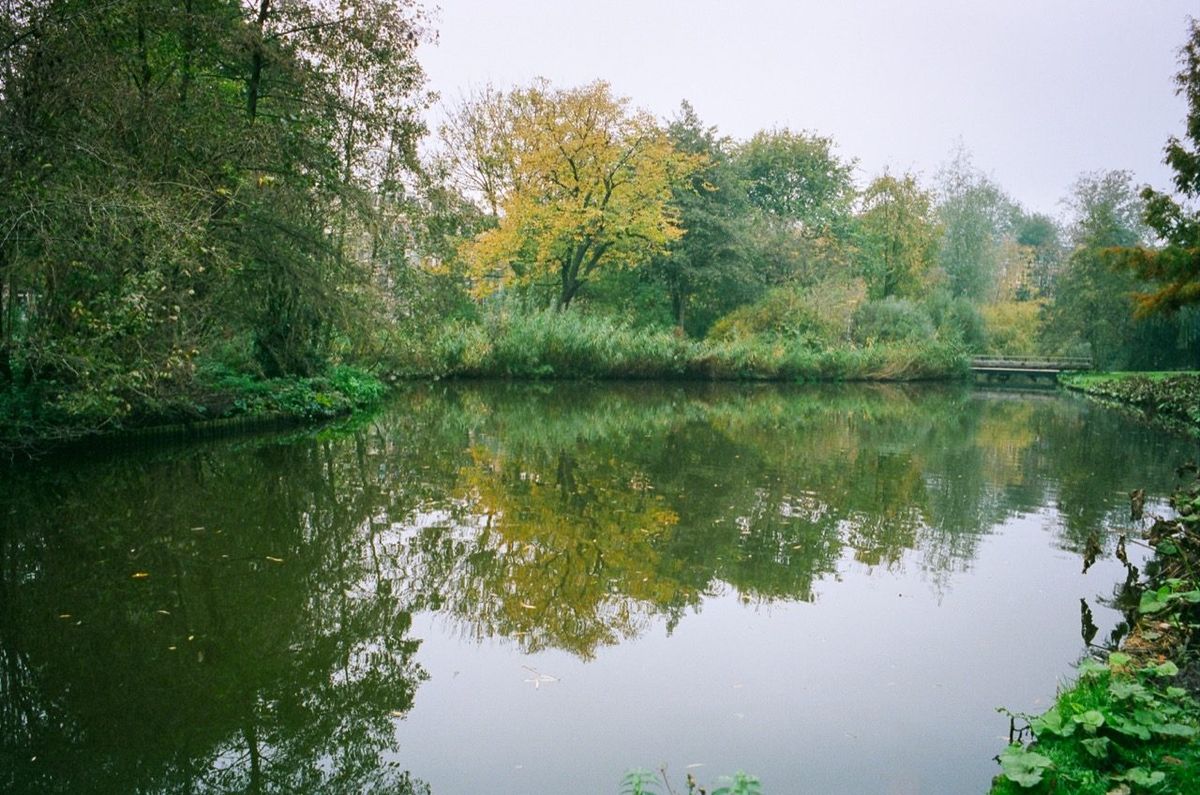
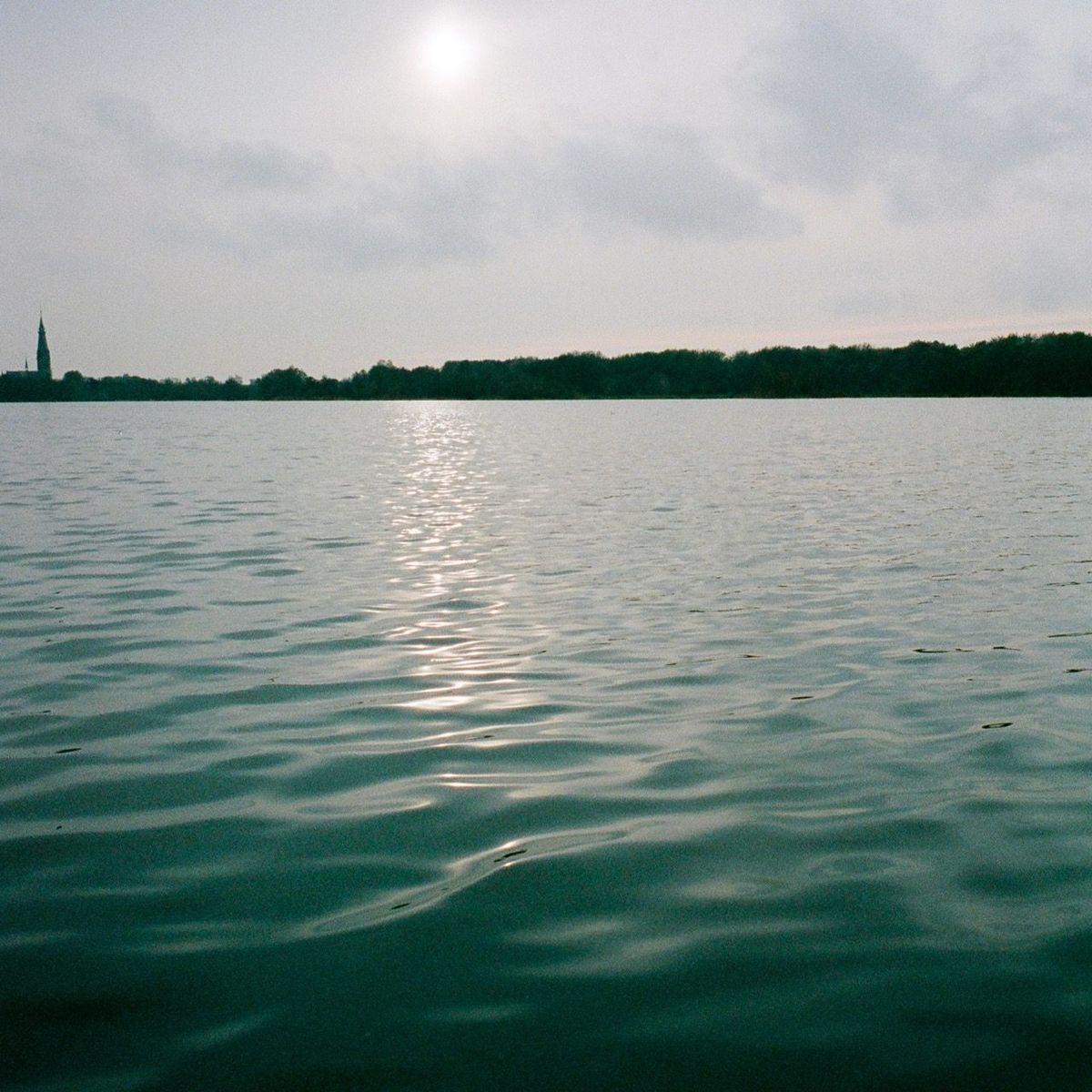
The Dutch are experts at conquering water; it is a mainstay of their cities, farming technology, transportation infrastructure, and parks. You can’t walk far in Amsterdam without coming across a pond, river, or canal.
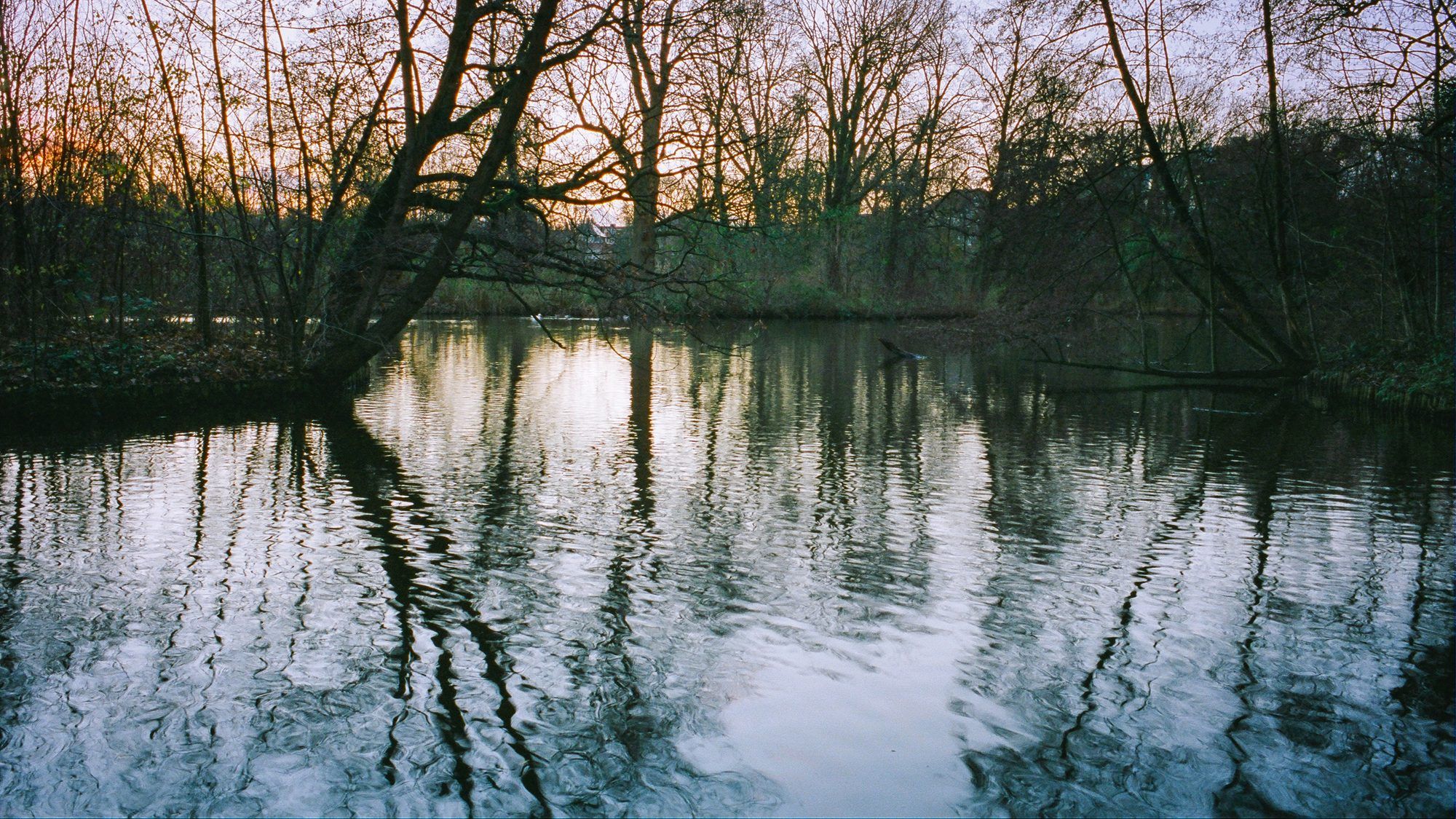
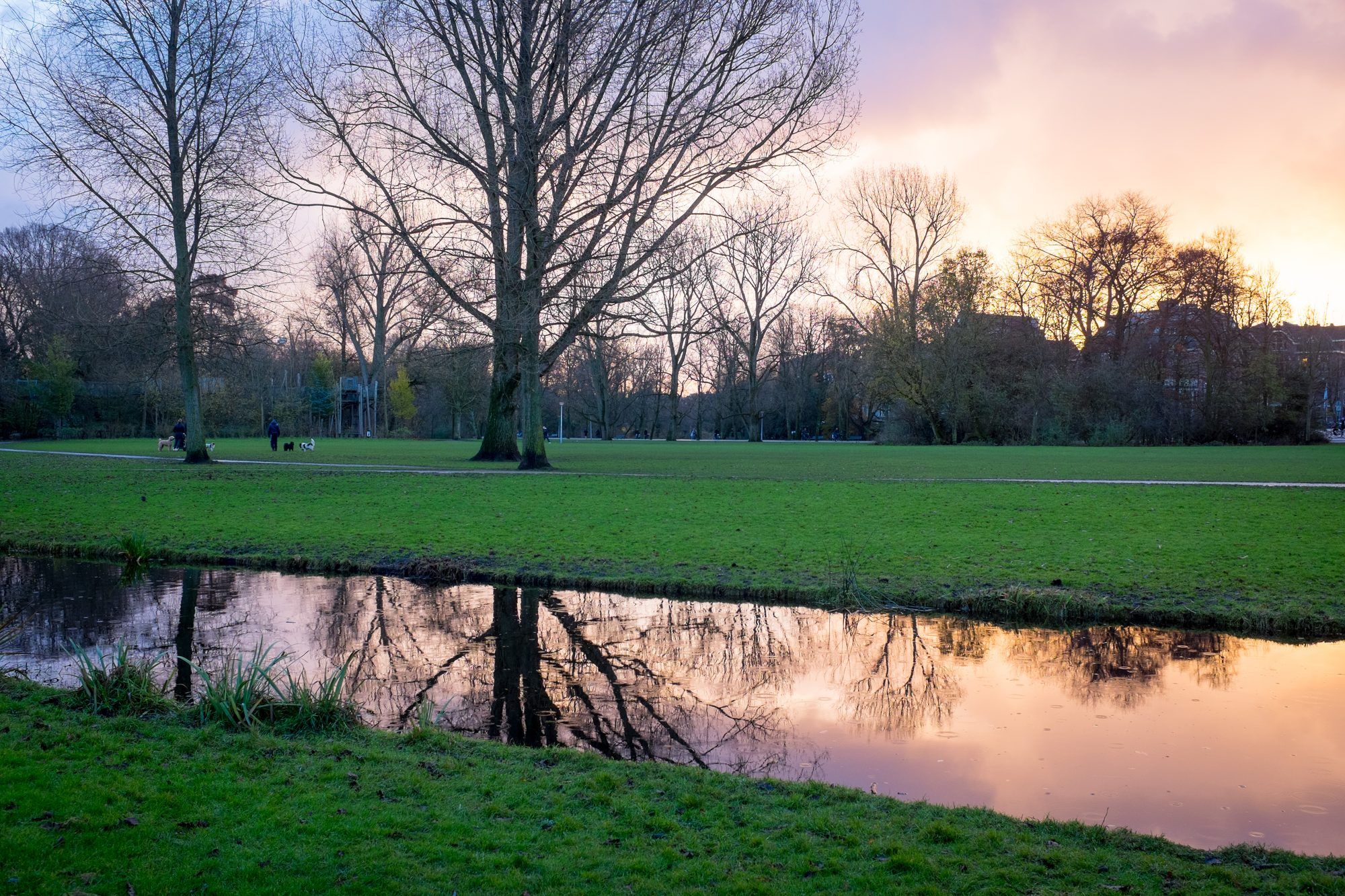
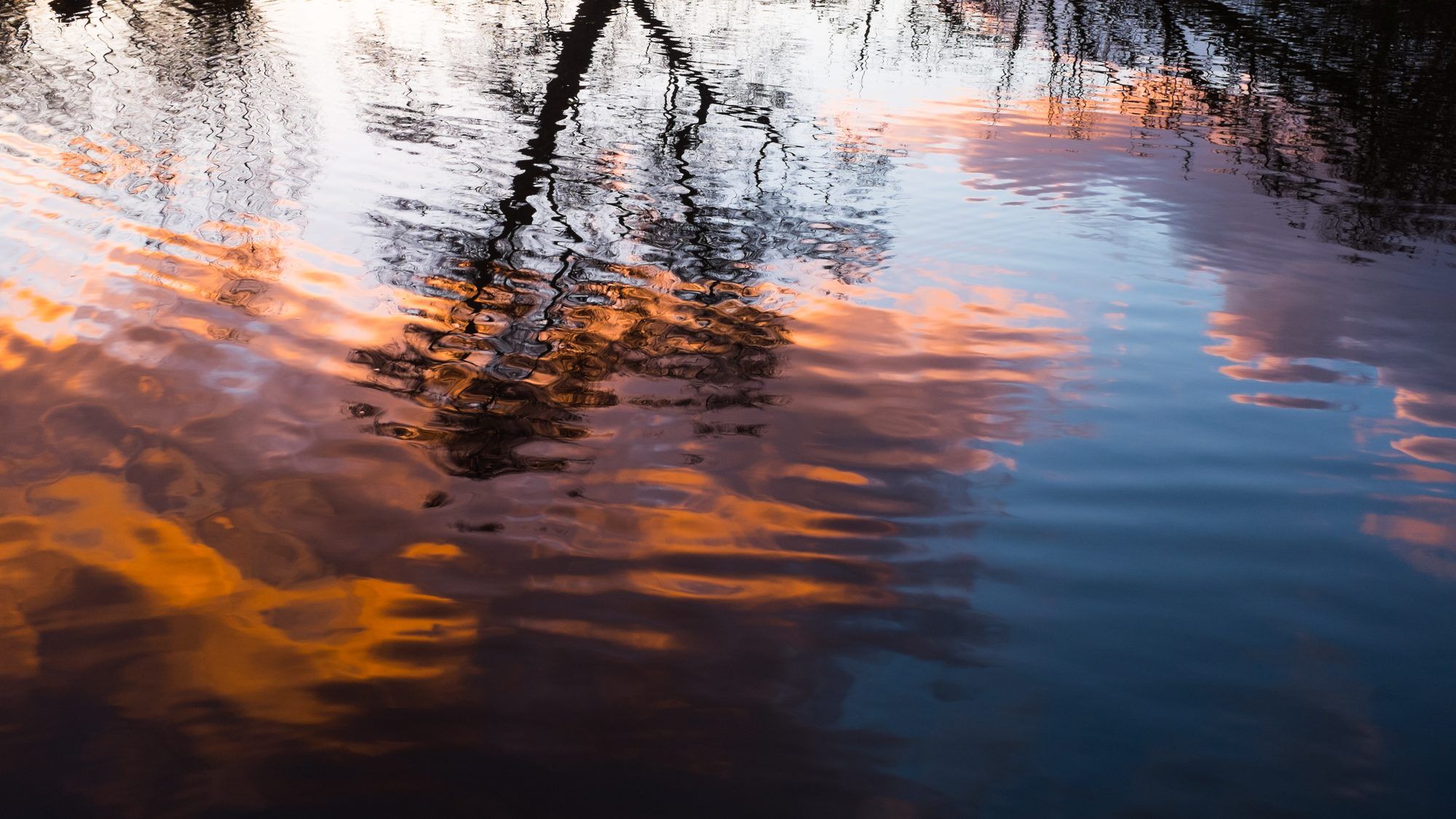
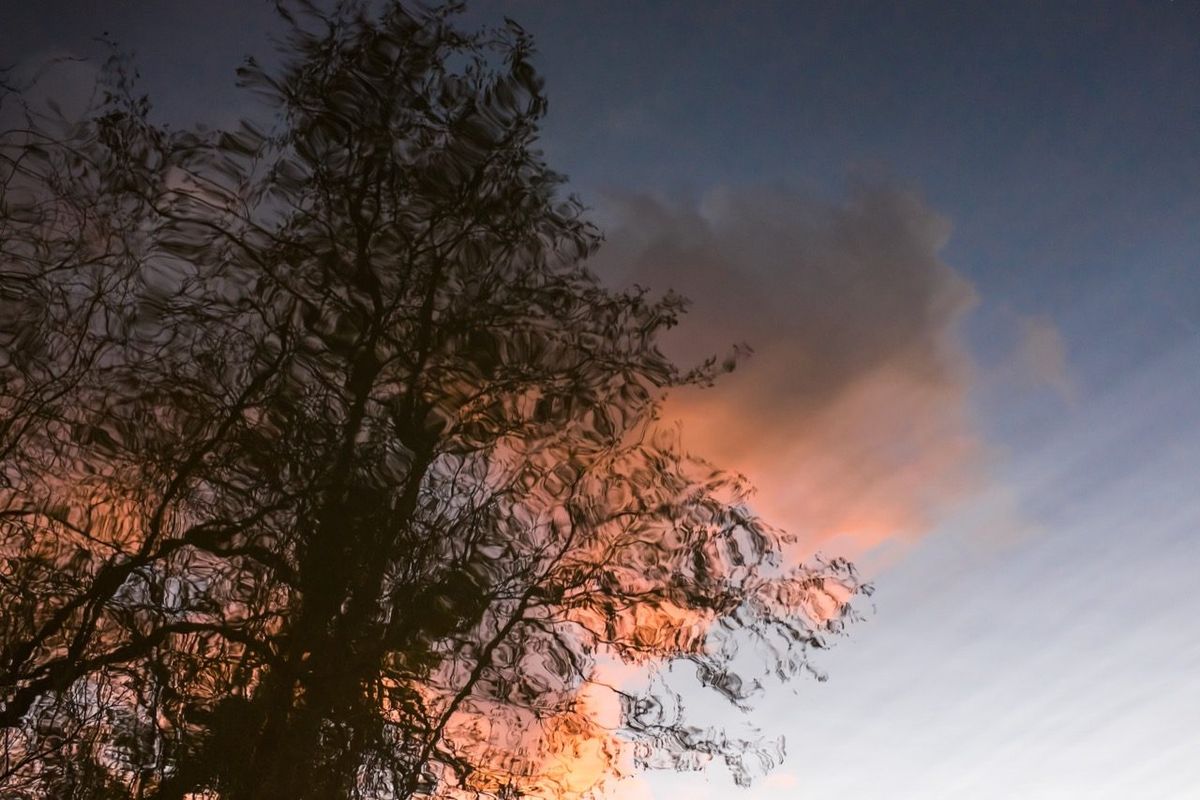
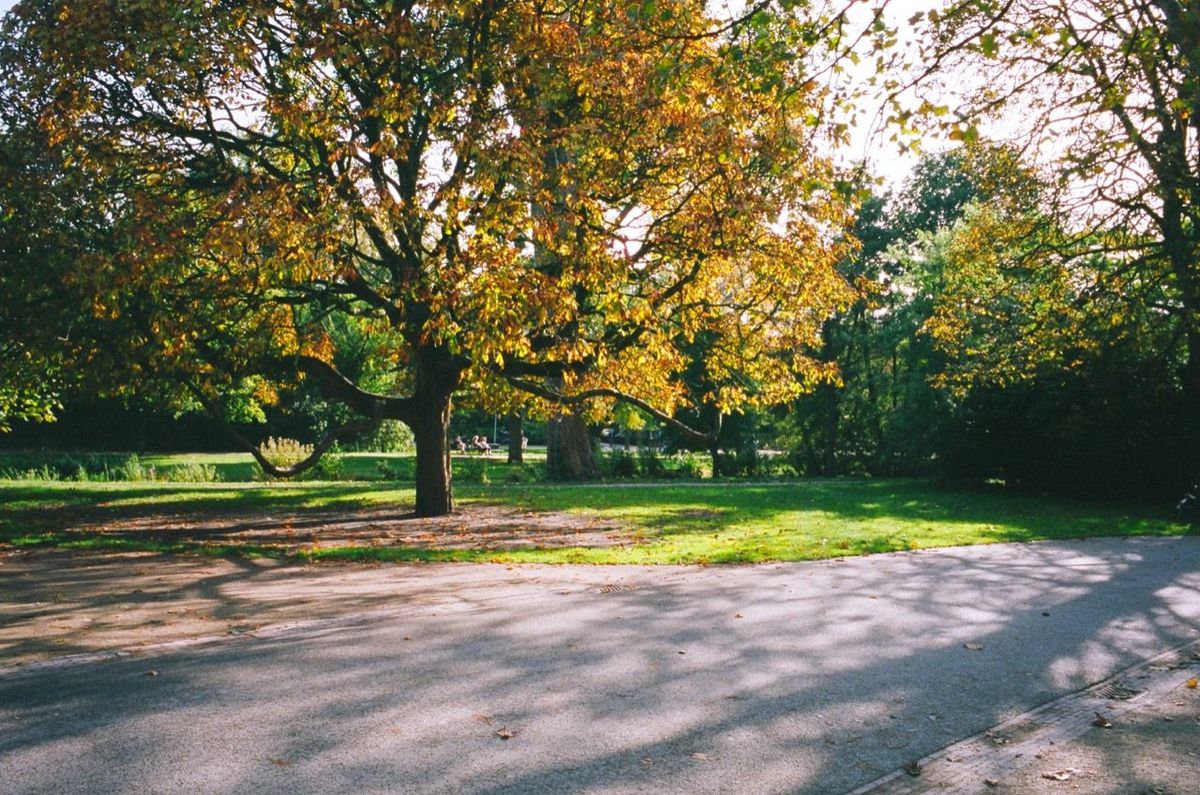
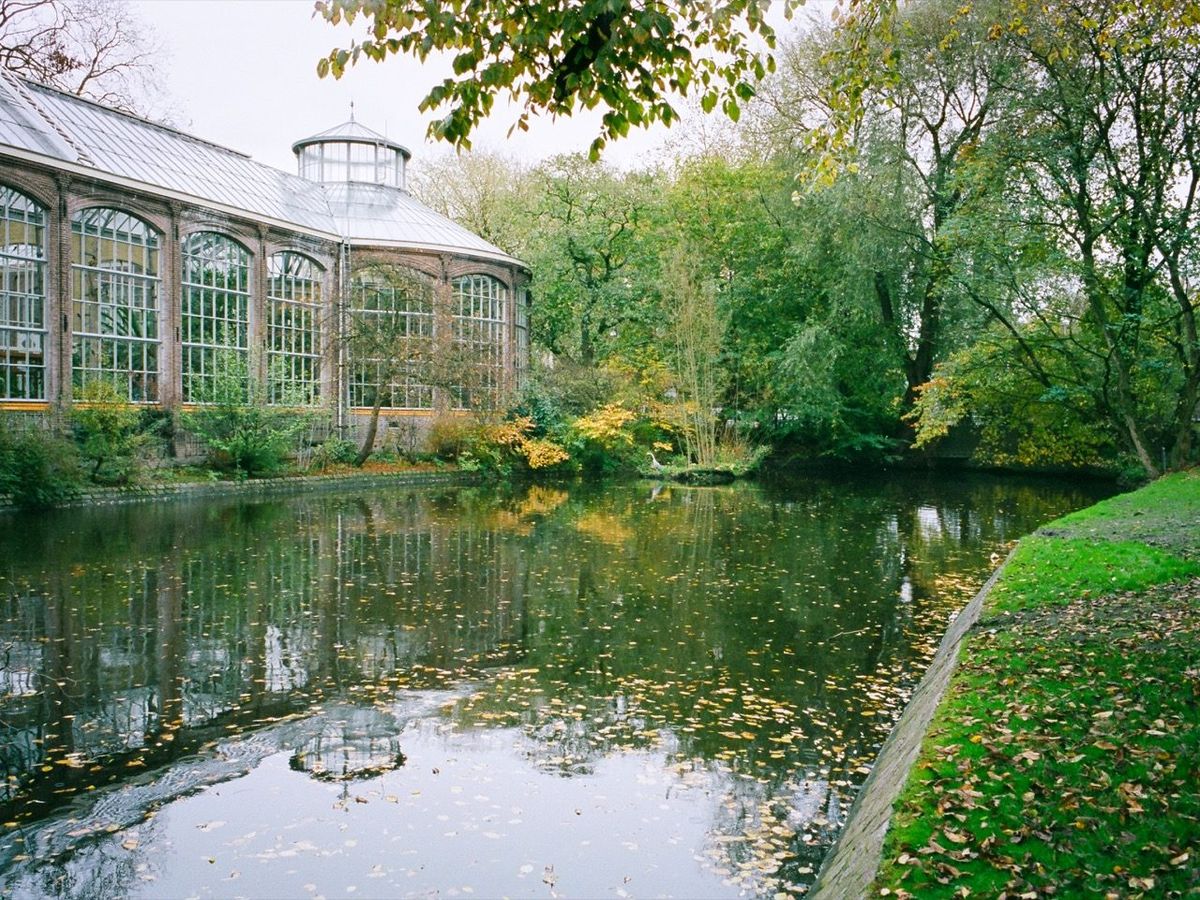
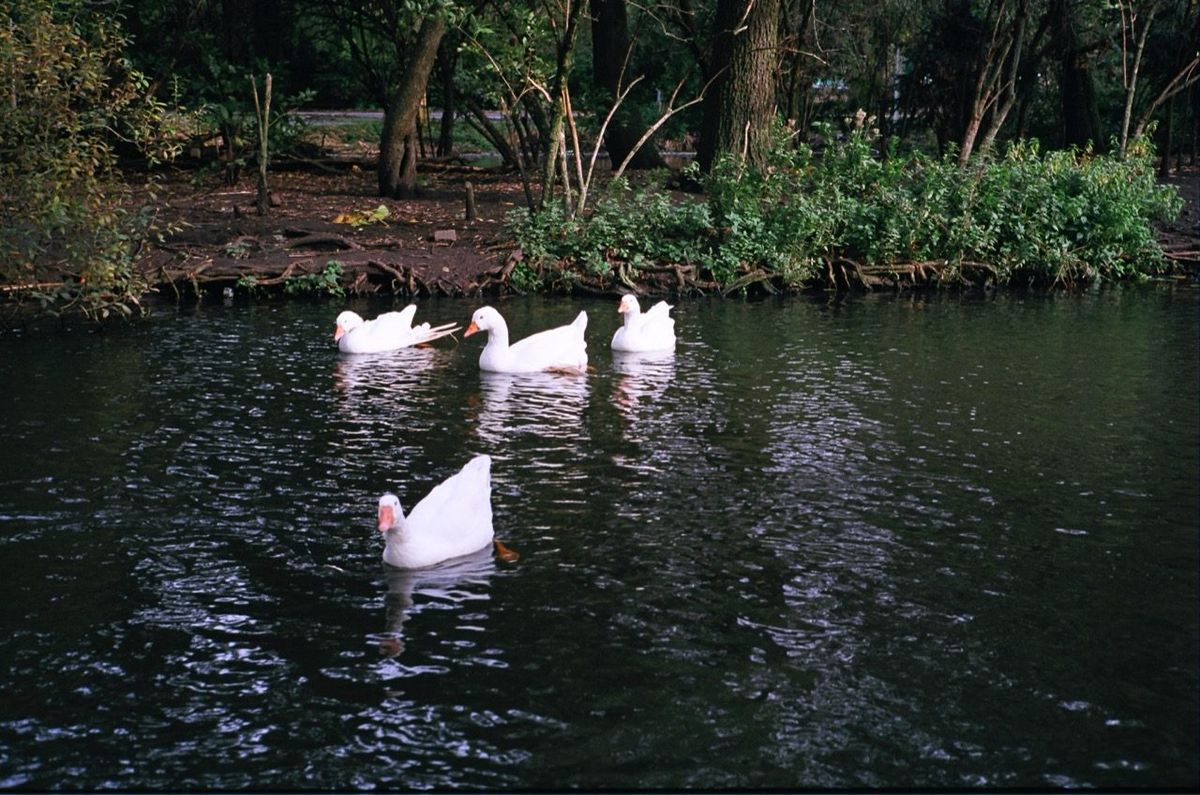
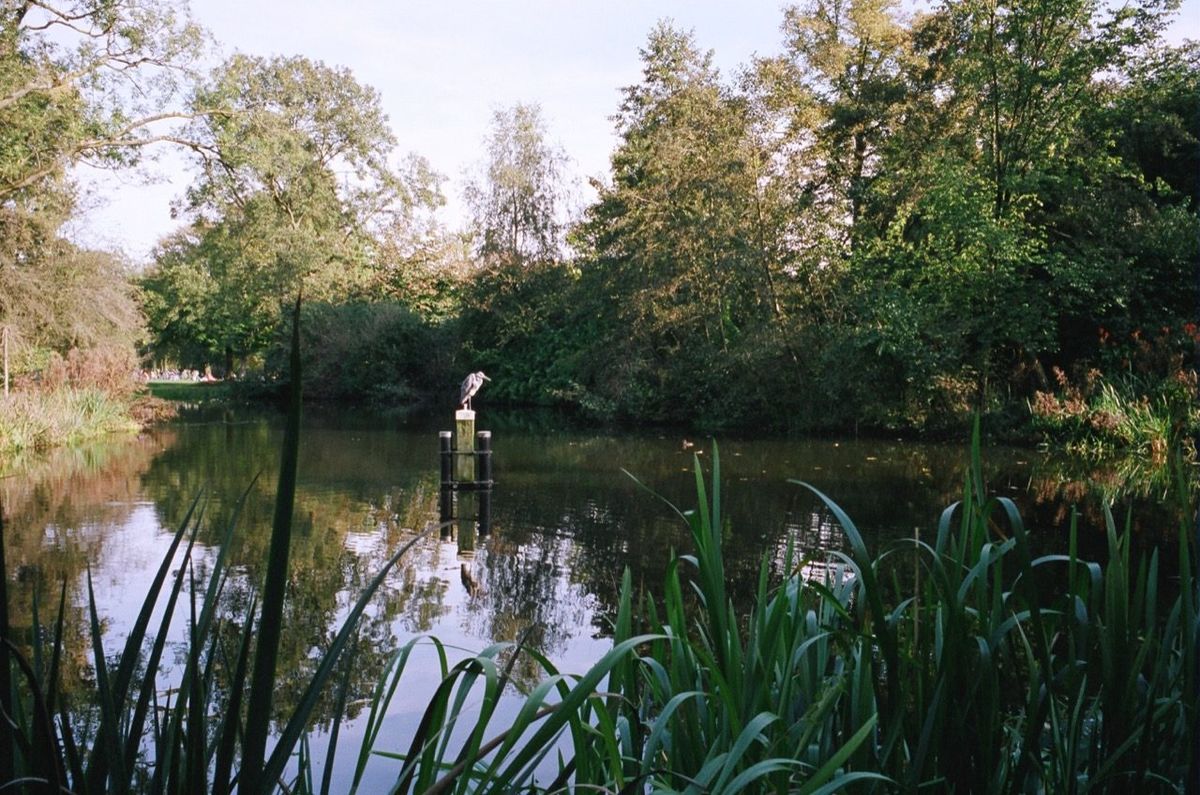
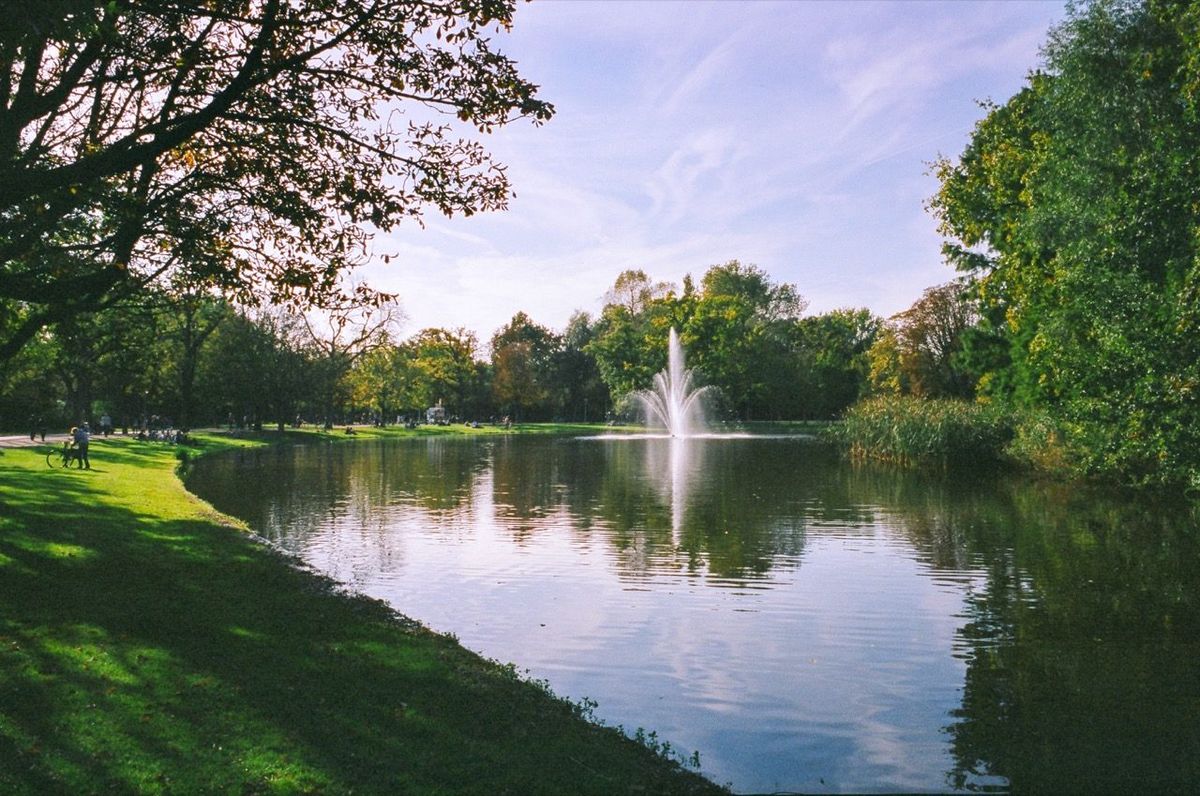
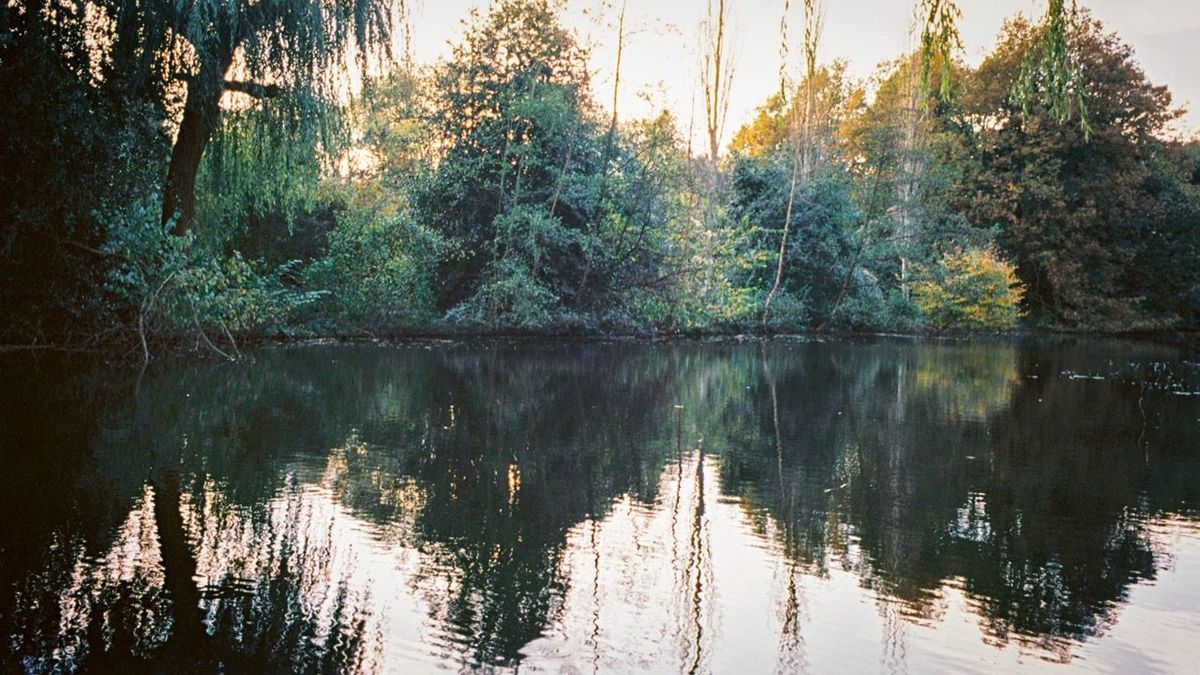
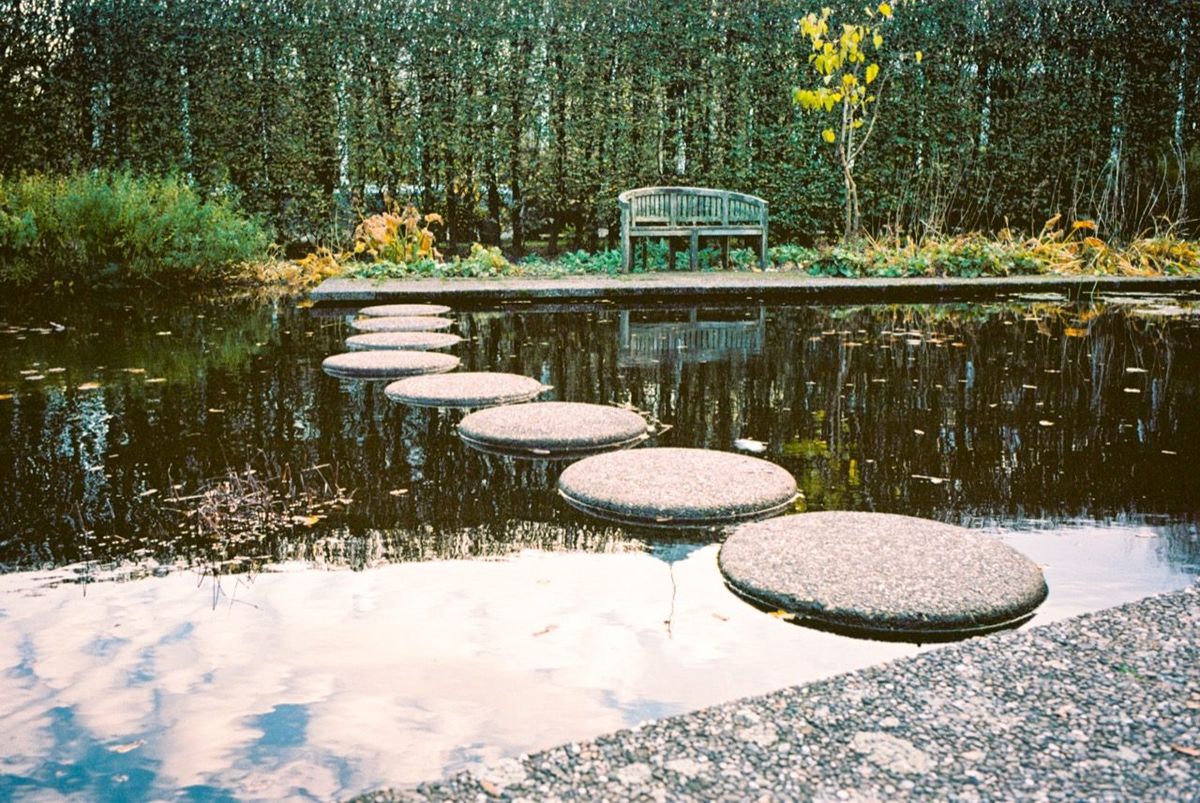
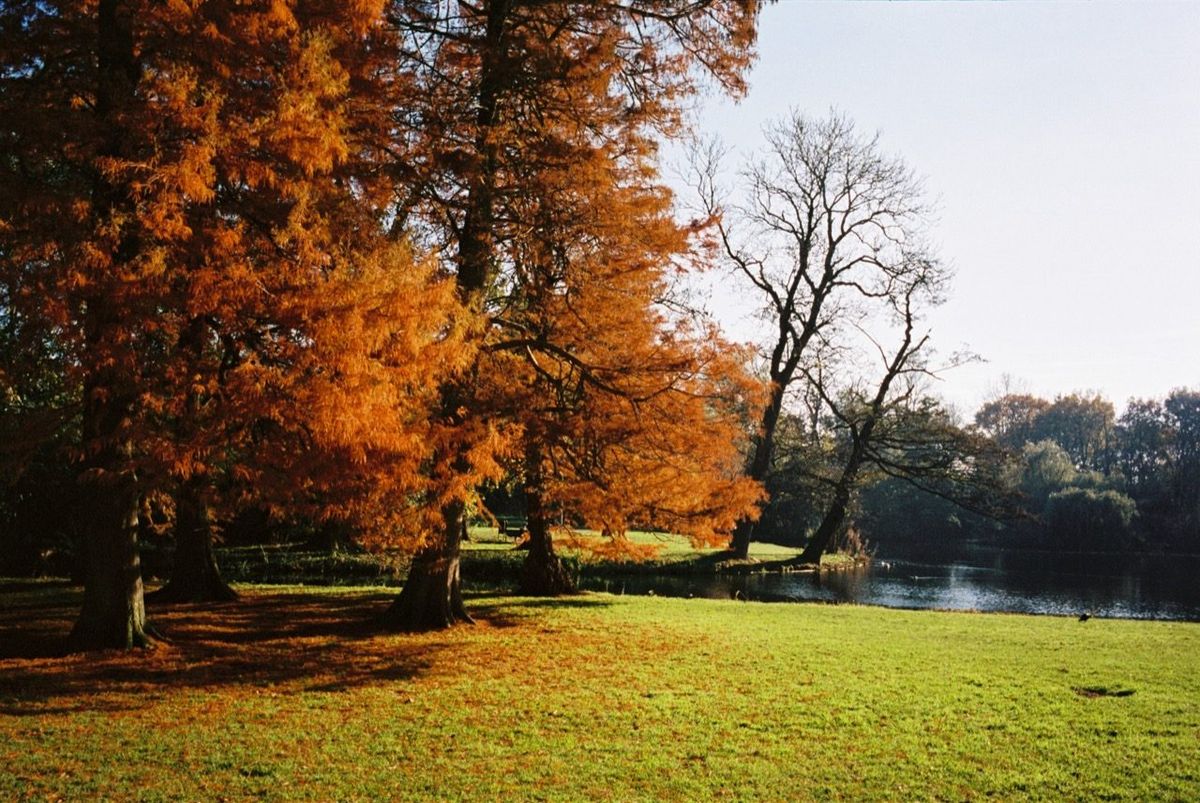
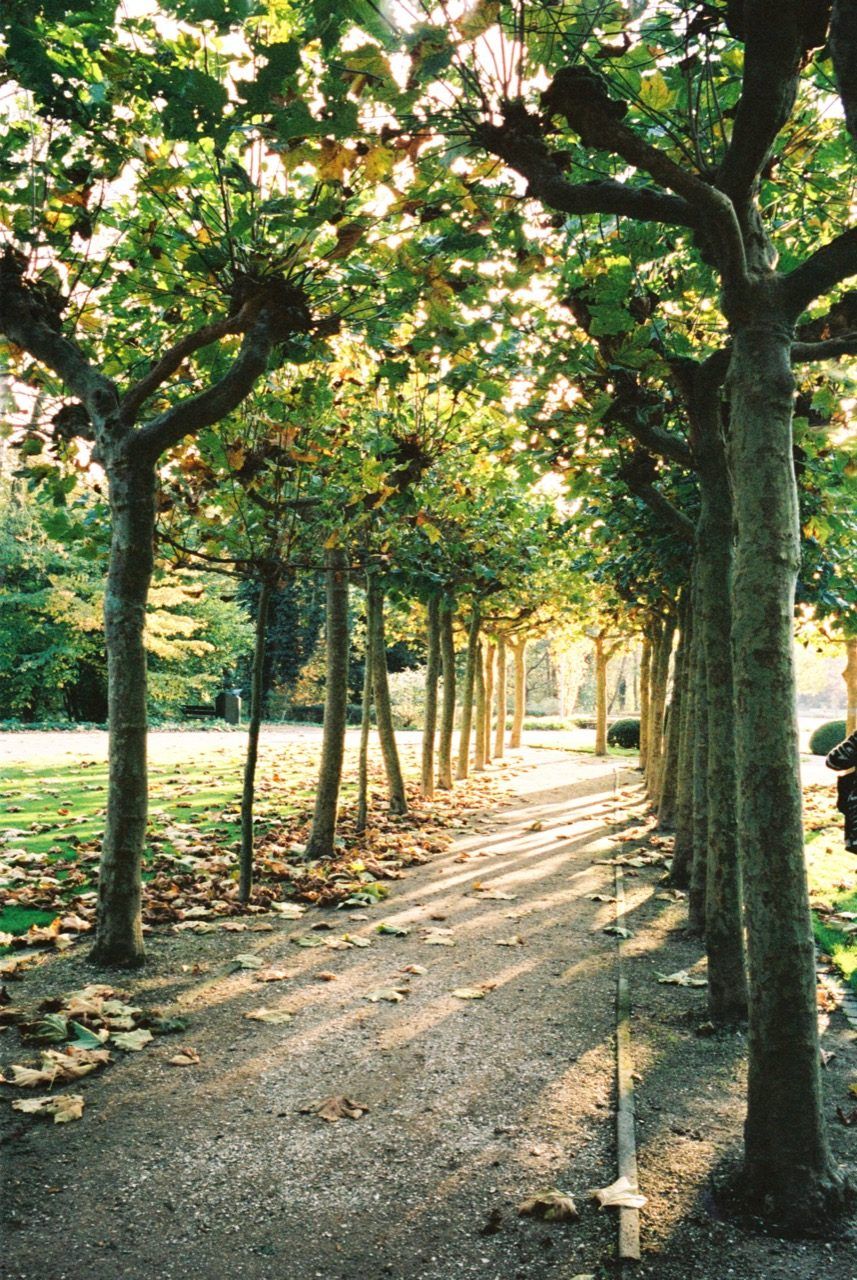
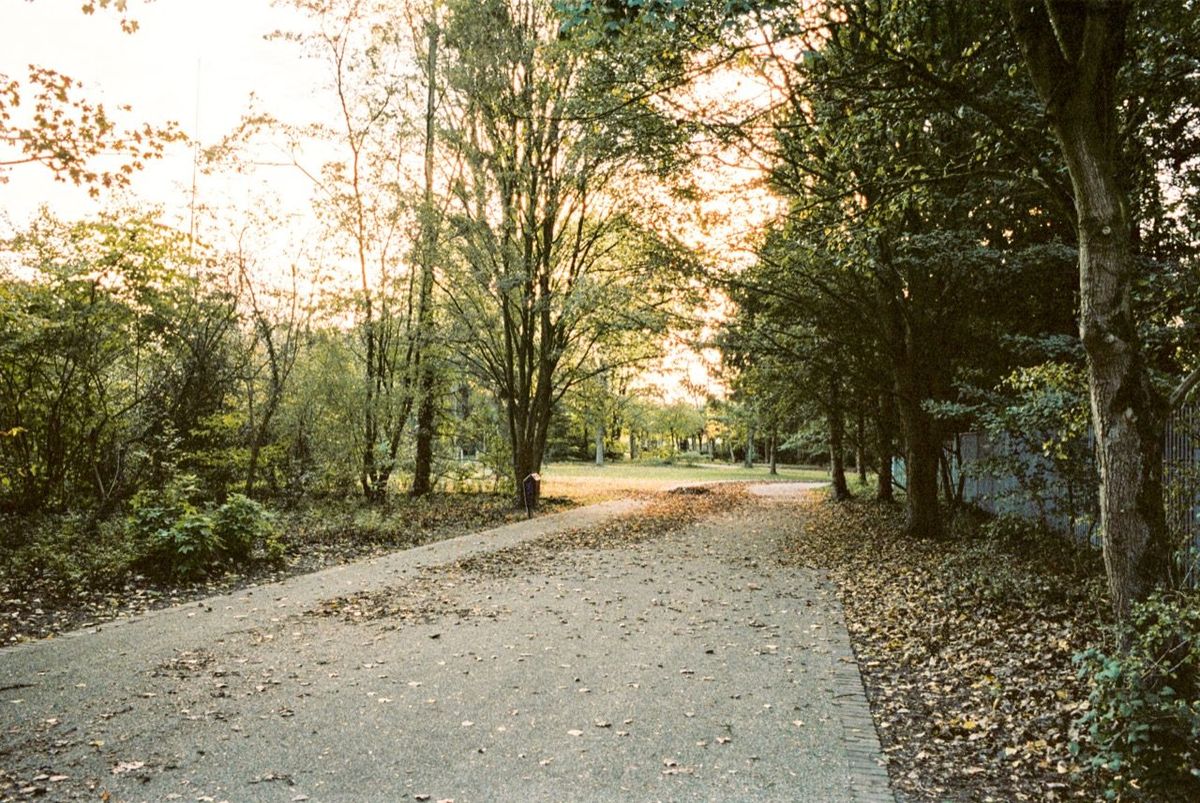
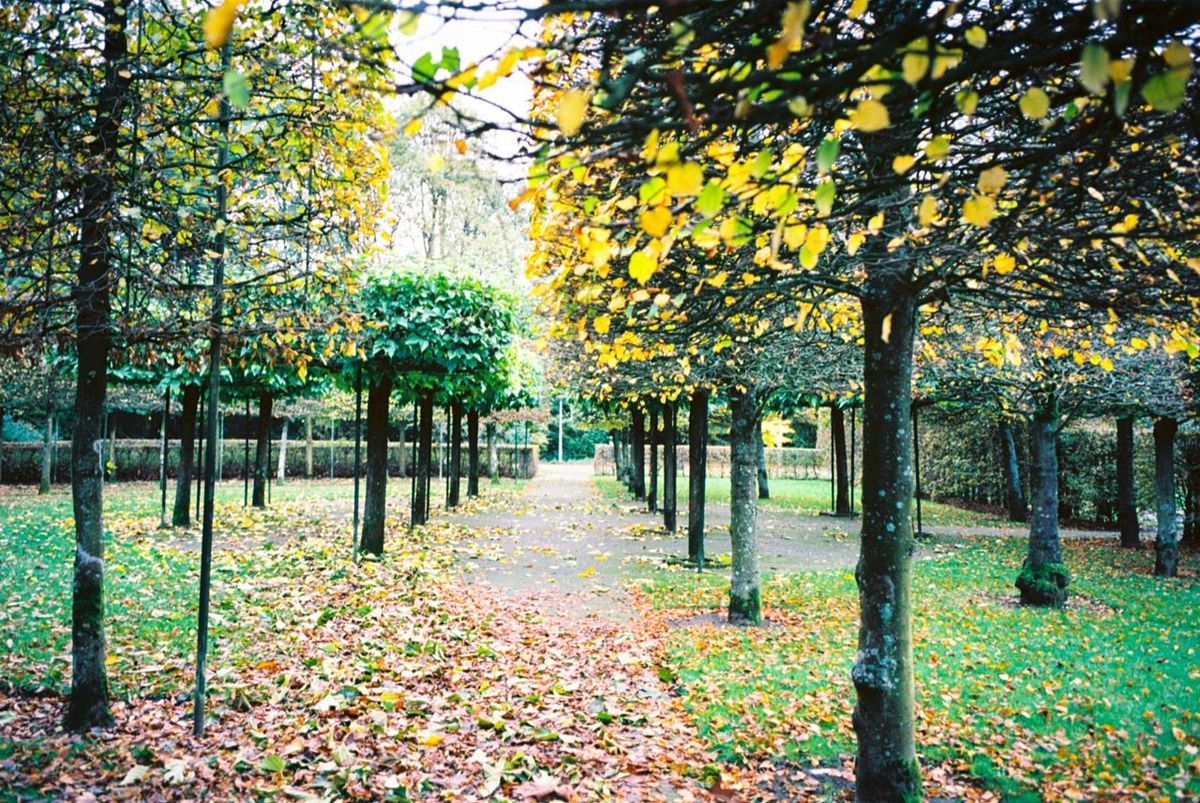
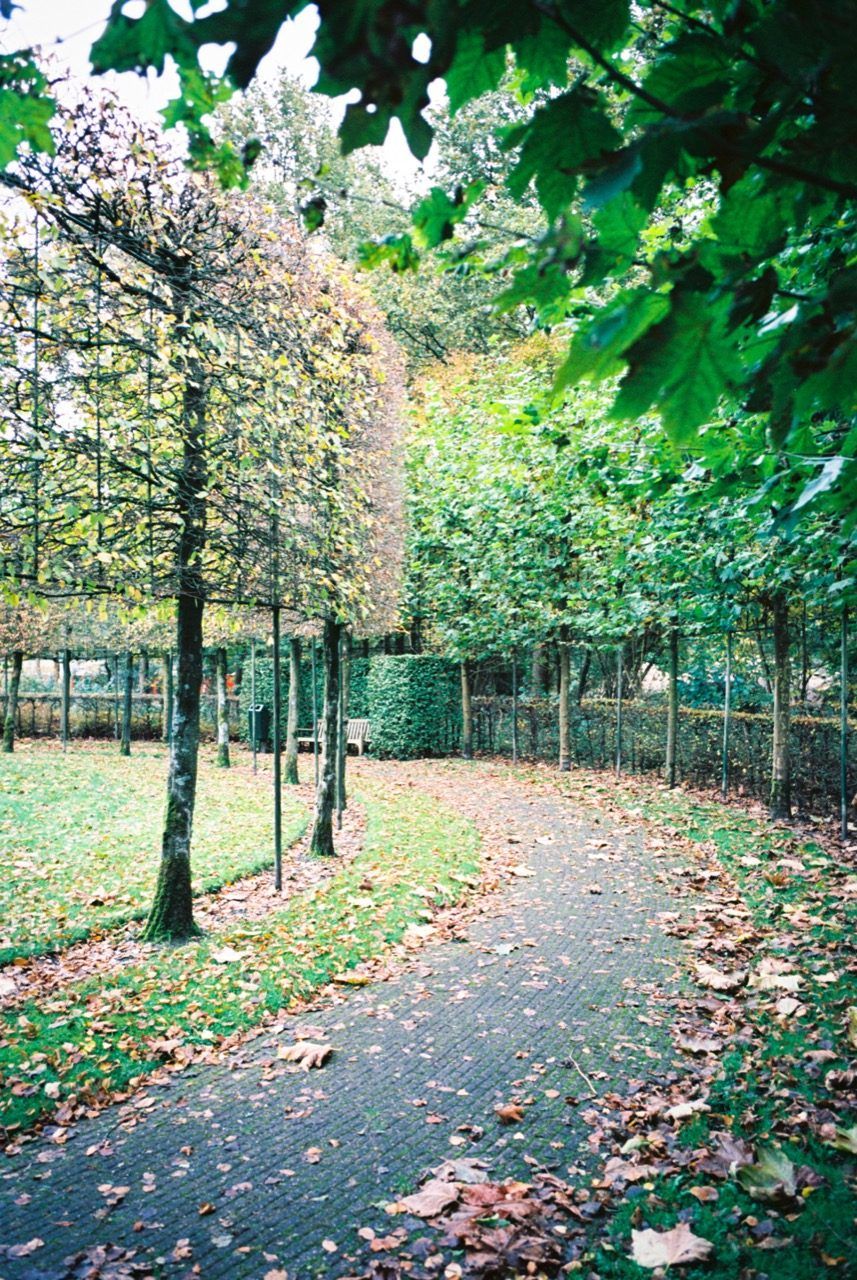
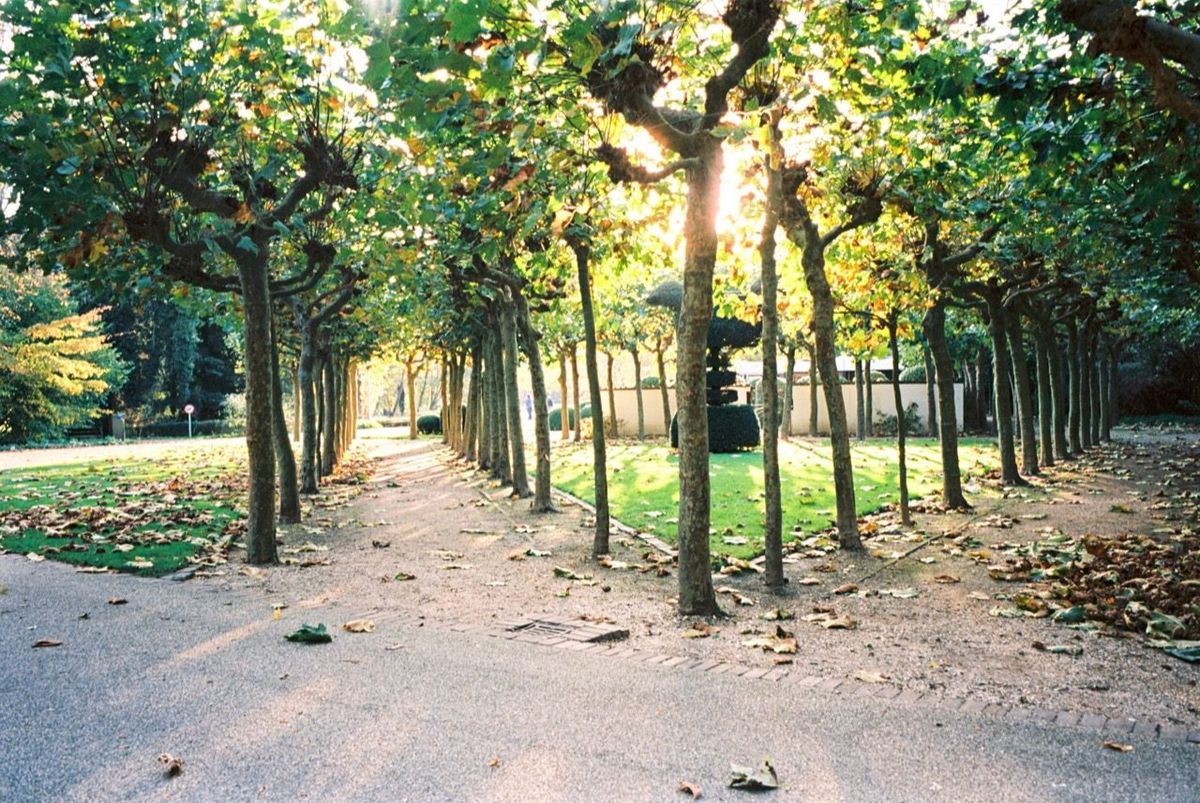
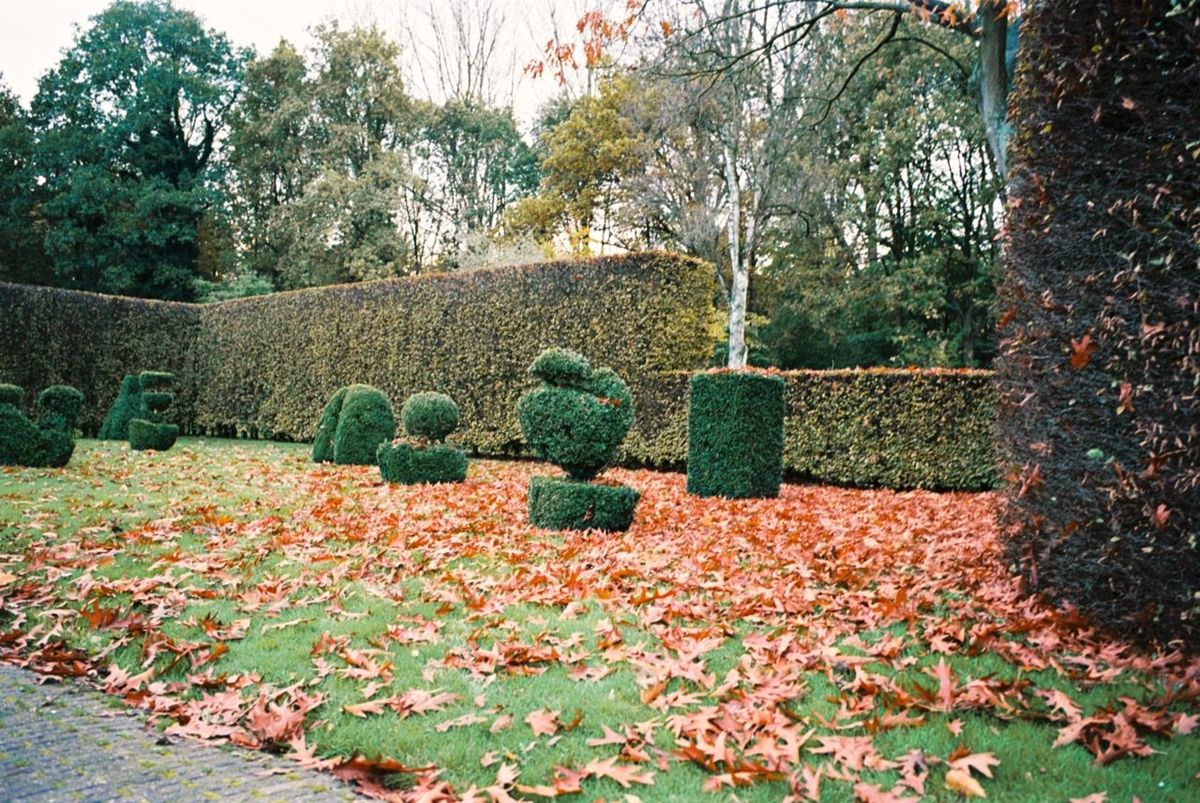
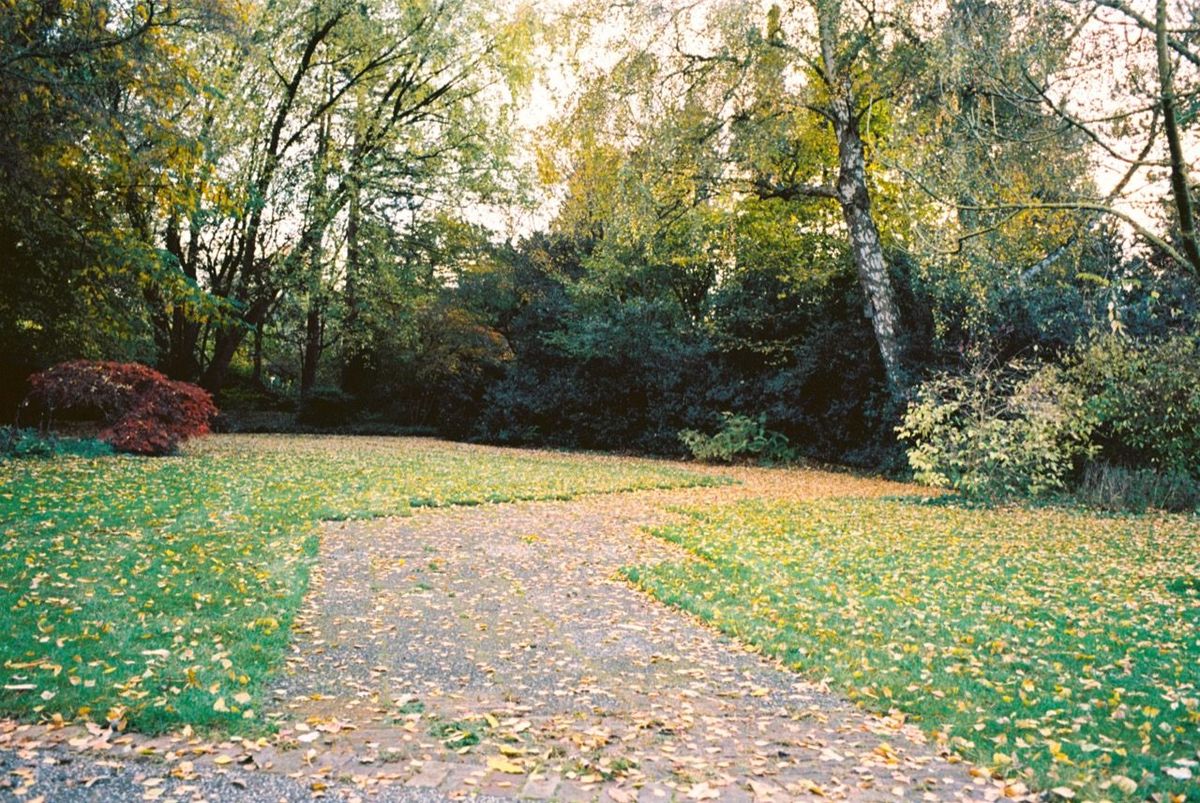
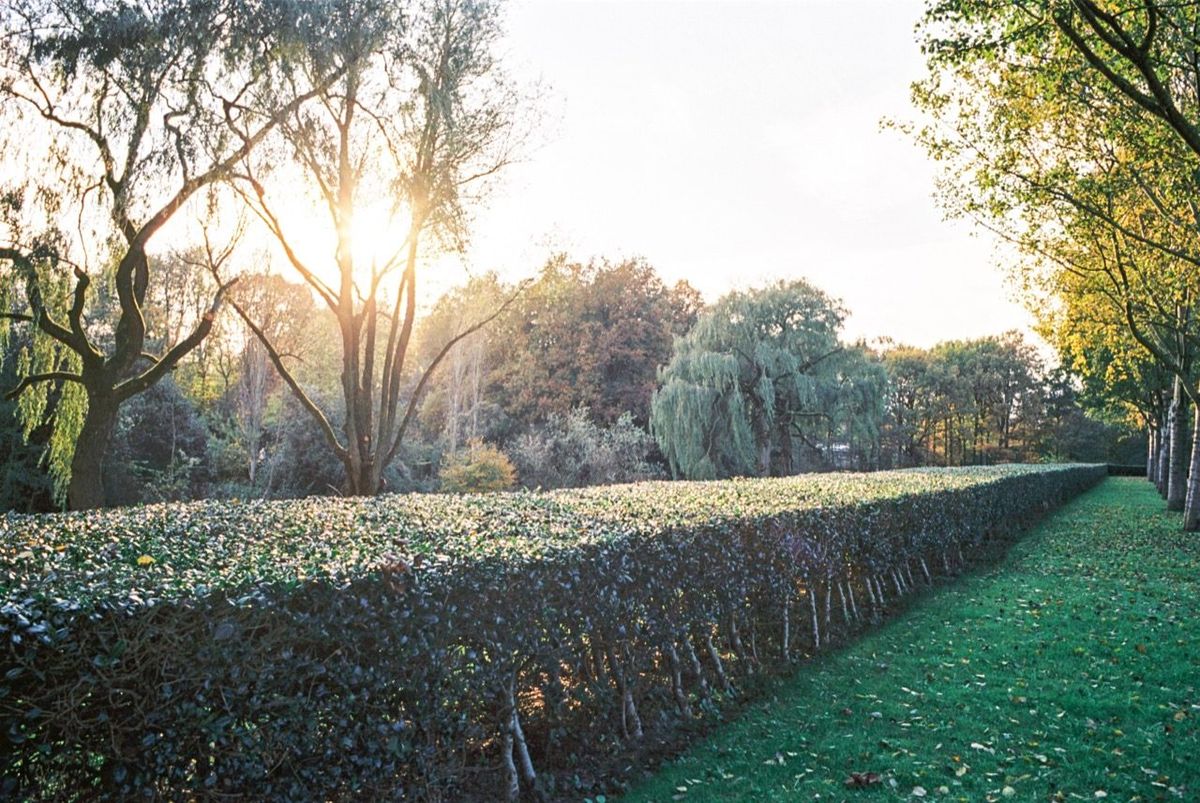
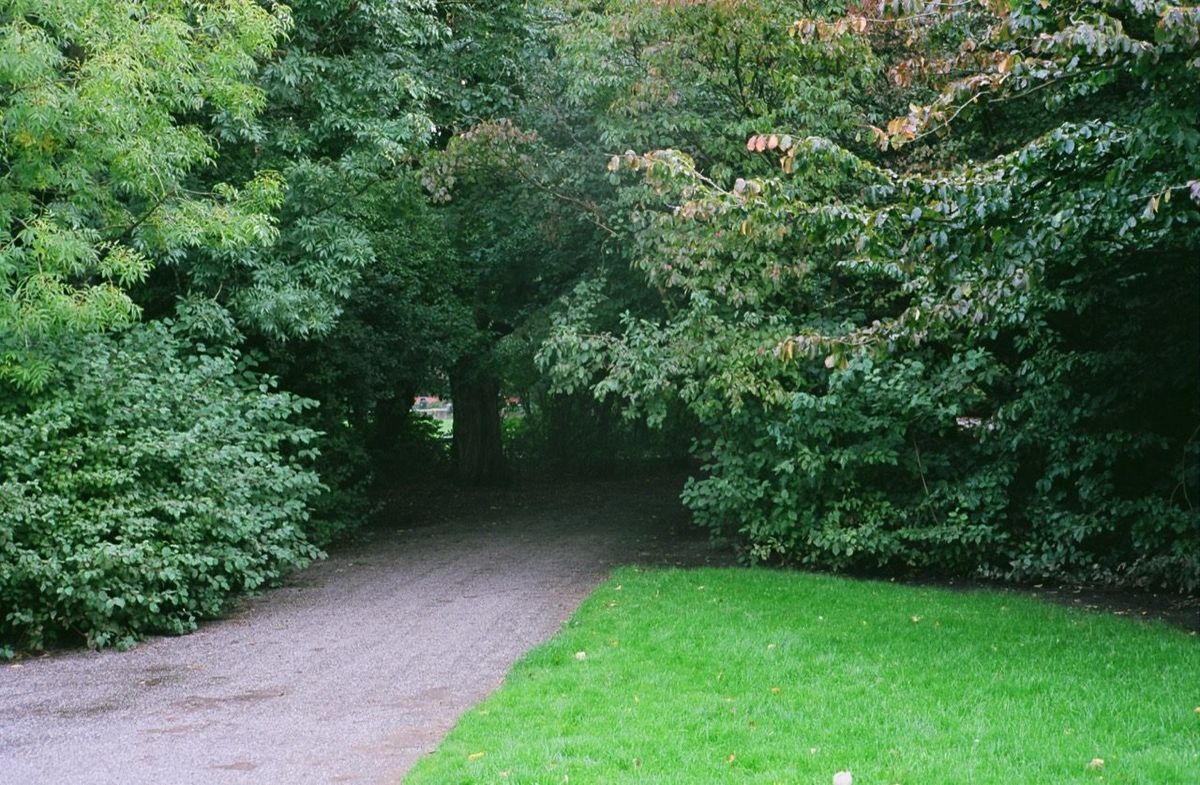
Amsterdam has a number of different parks within walking distance of our apartment. We often visit them to relax and we always bring a camera. Our favourites by far are Amstelpark and Vondelpark.
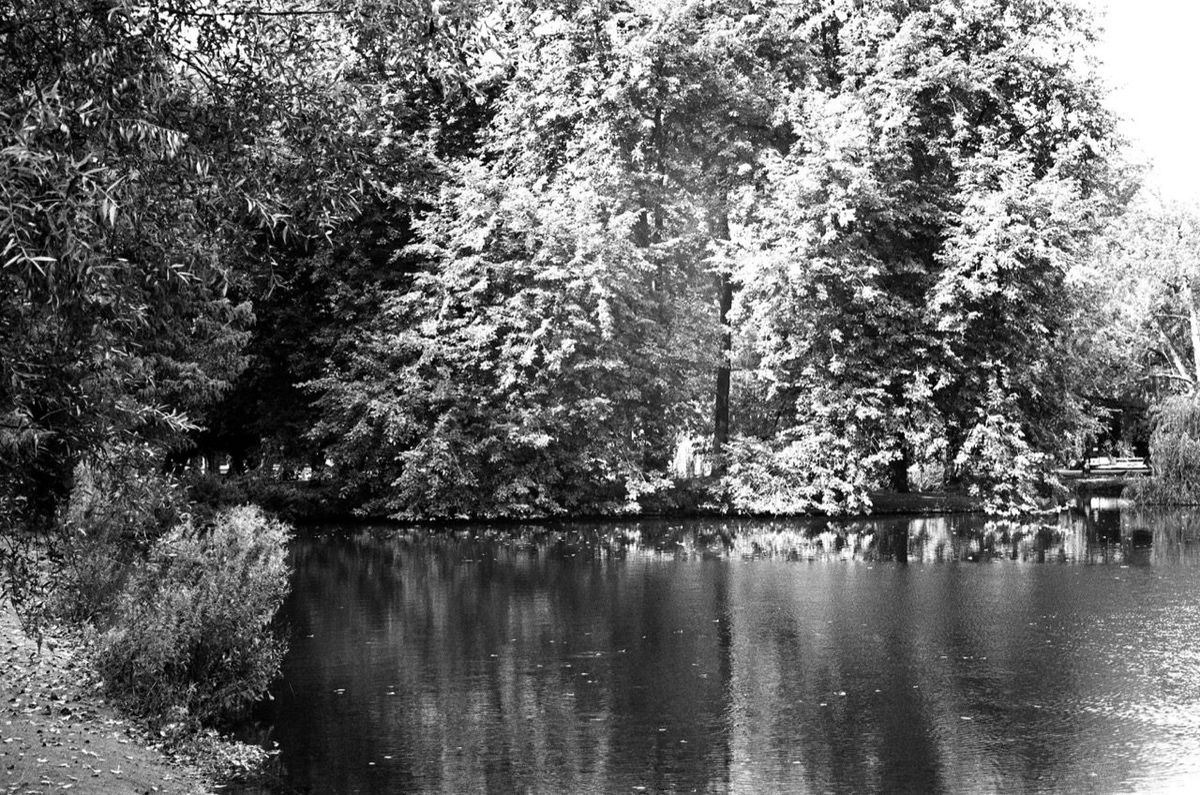
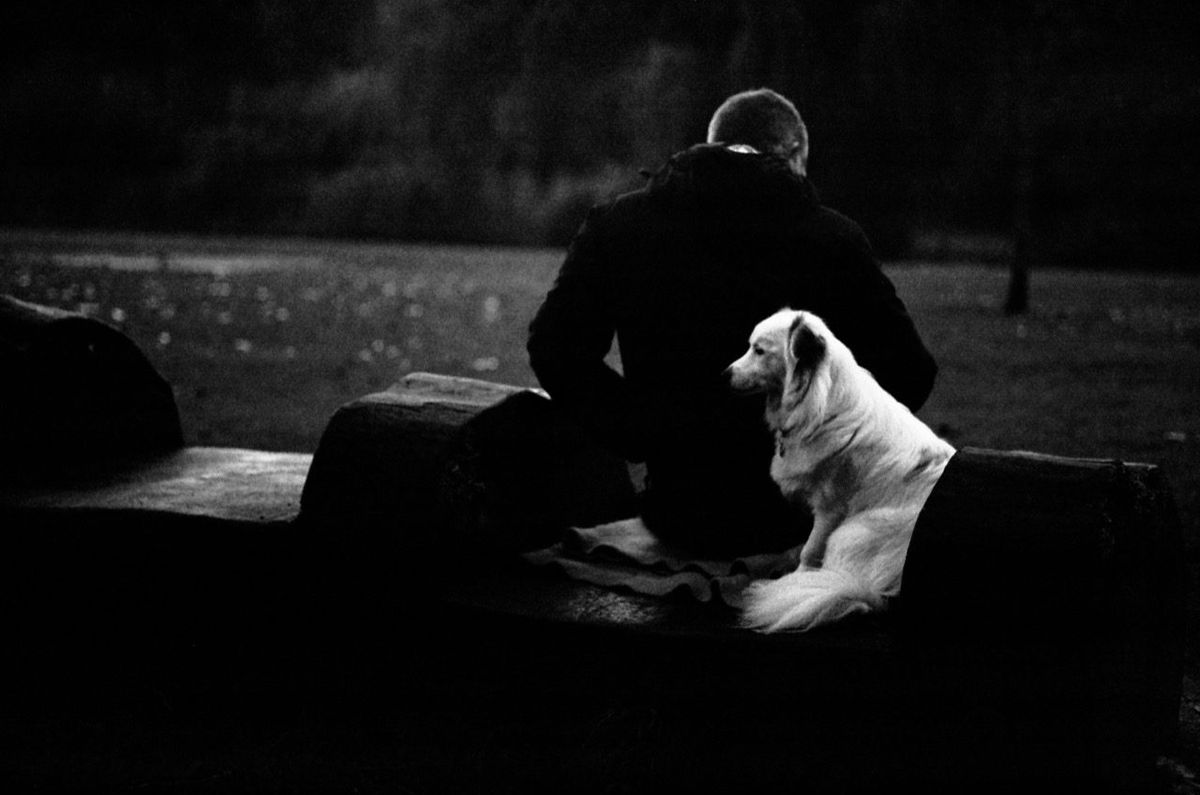
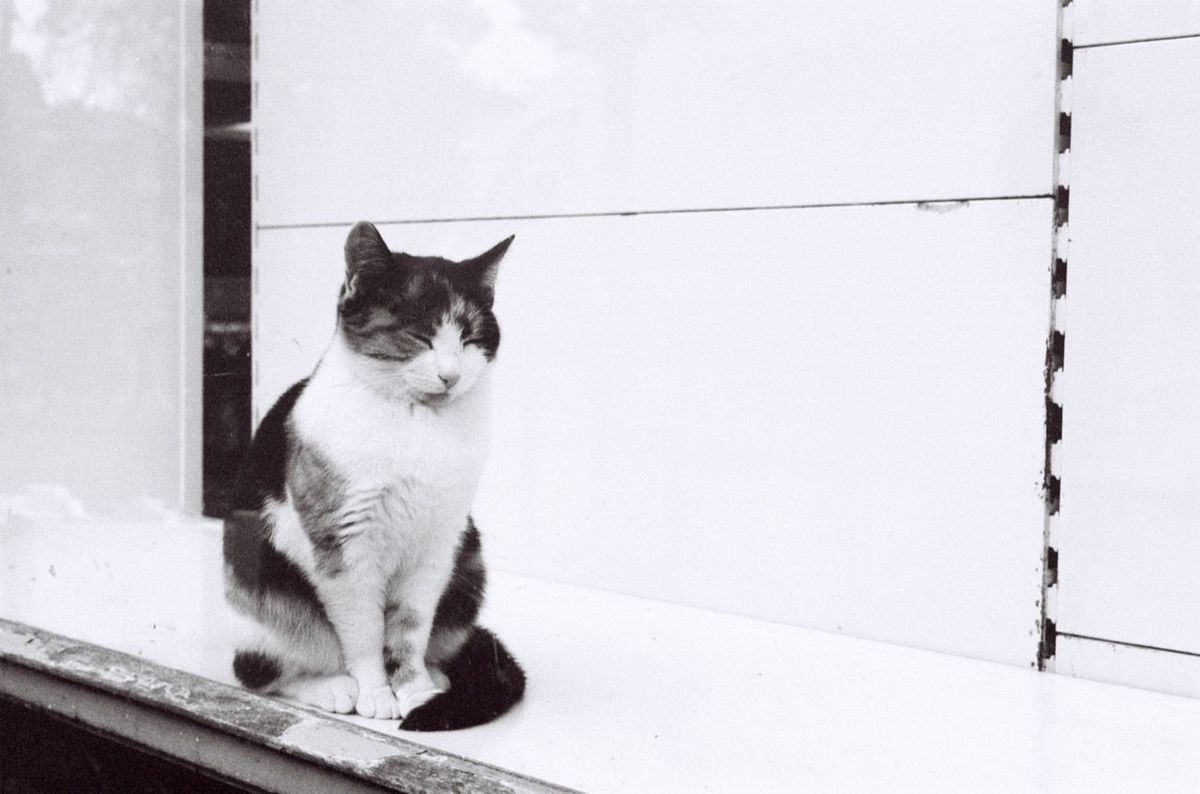
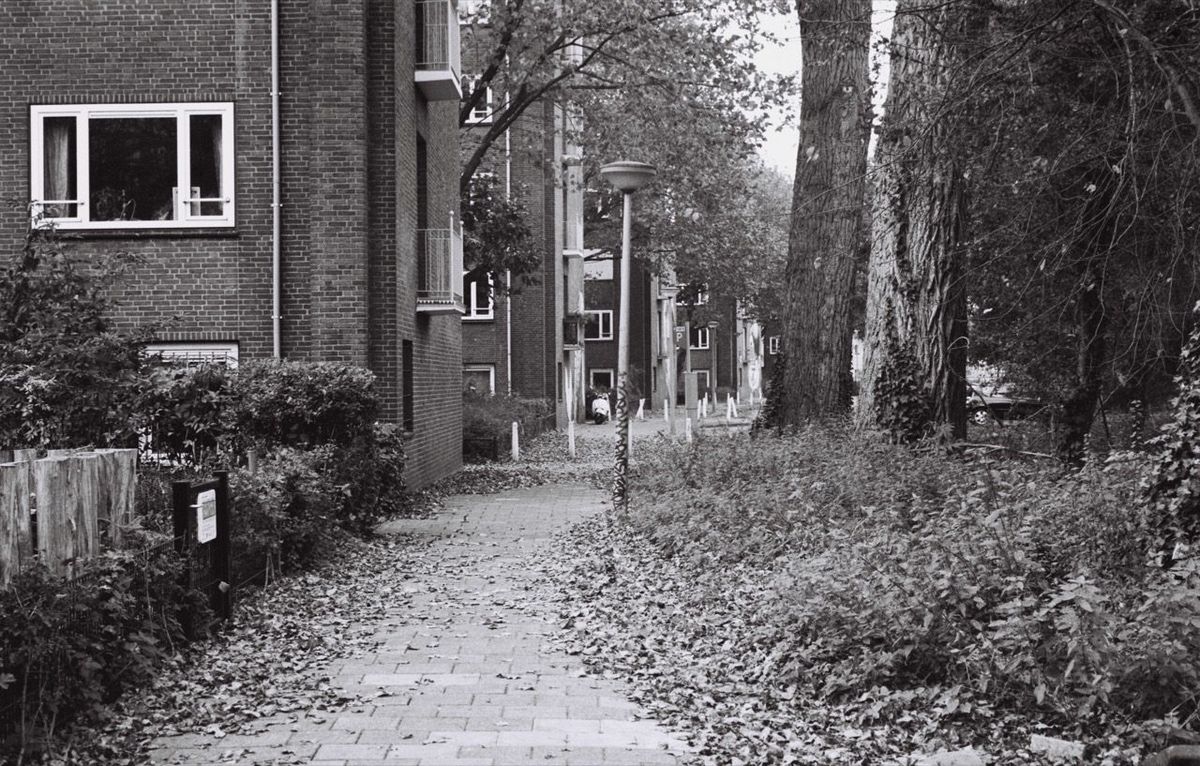
In 2014, I made strides in my use of film as a photographic medium. In the past few months, I’ve switched almost entirely to black and white film. But film is not always prudent, and I’d rather get a good shot than adhere to digital-free dogma. Of the photos below, the first is shot on film while the other is shot on my Fuji X100S and digitally converted to black and white.
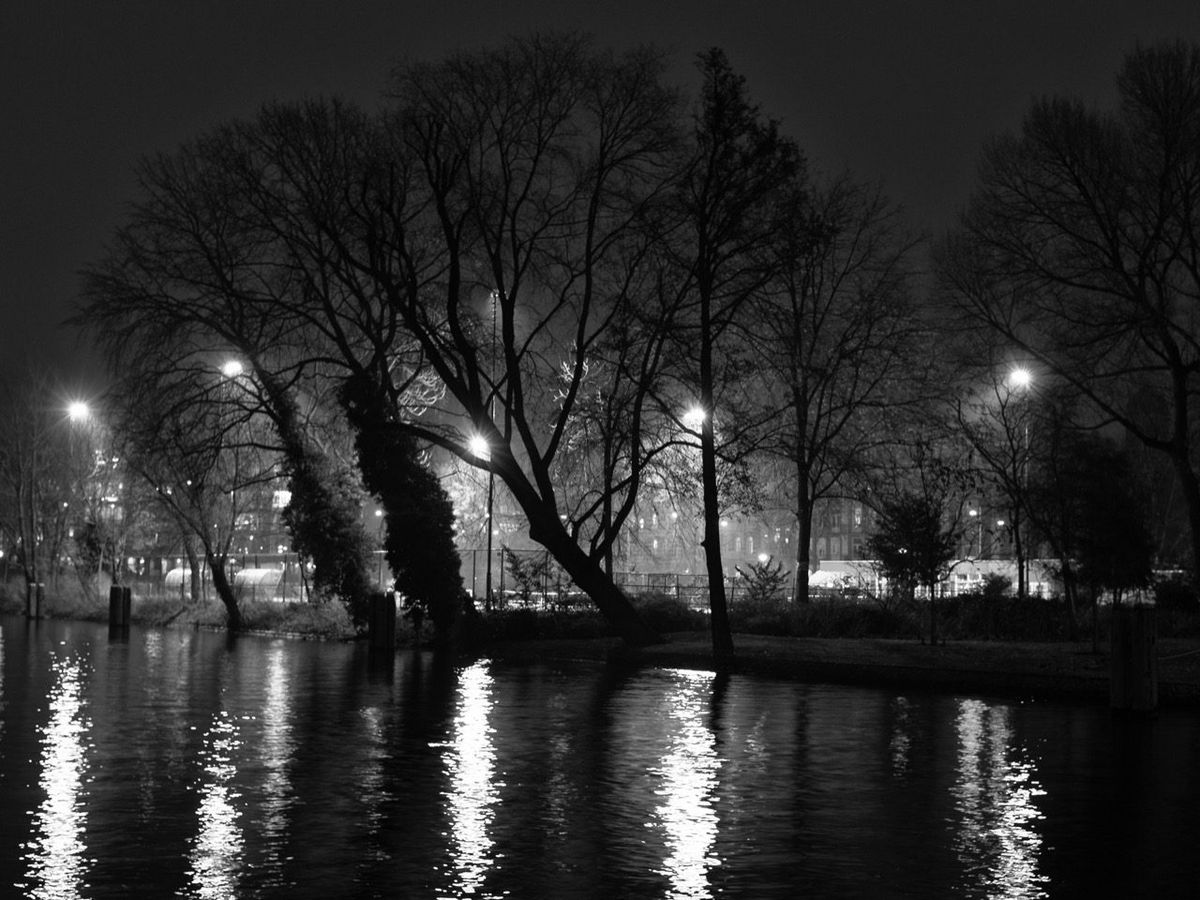
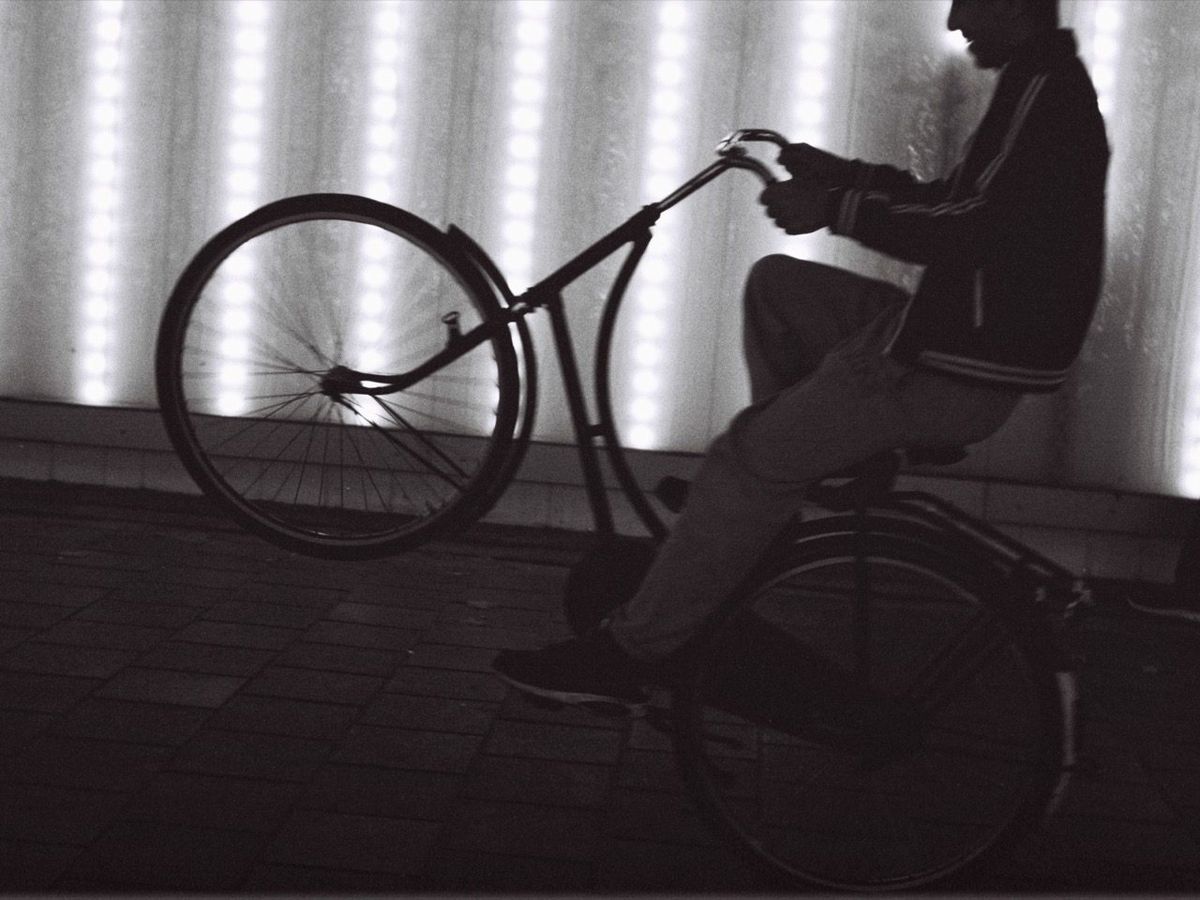
The Amsterdam Light Festival is currently underway. We joined a group of photographers for a nighttime photo walk around Waterlooplein to see some of the different installations. The second photo below is a long-exposure shot of a drawbridge lowering itself; the bridge was lit and it created light trails as its pieces returned to their resting states.
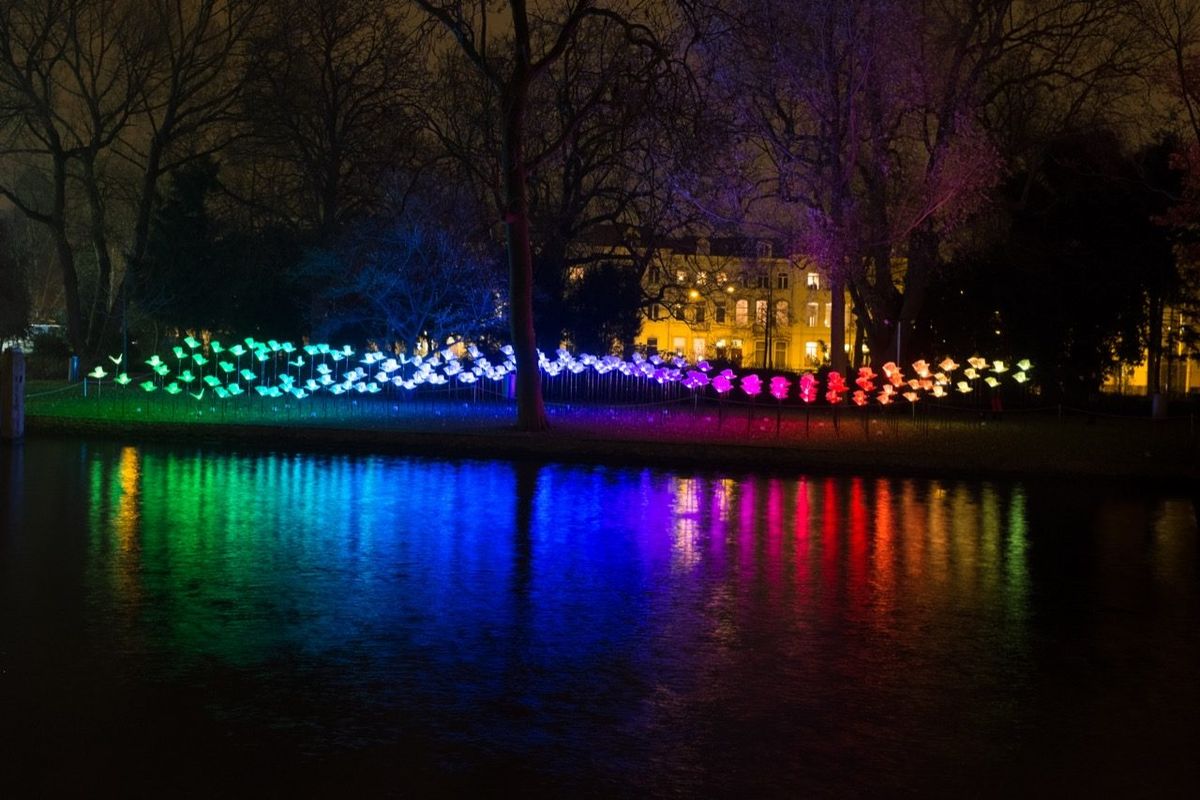
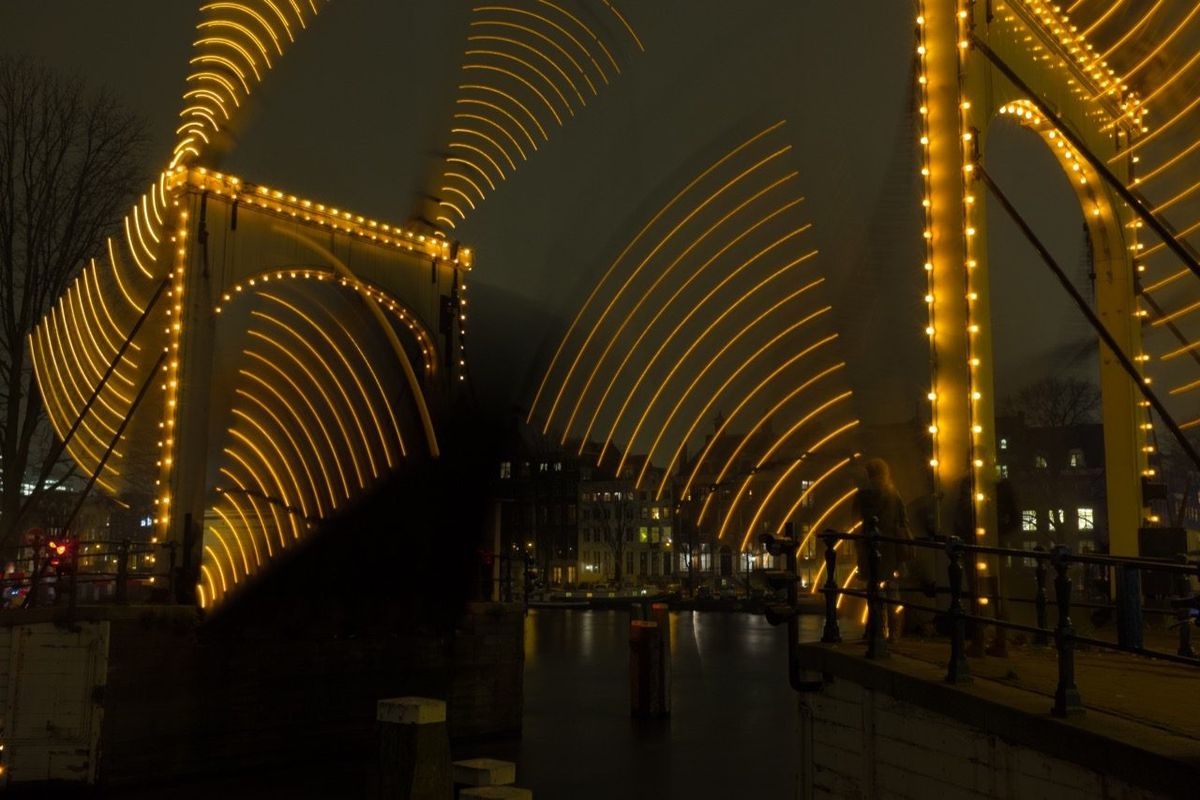
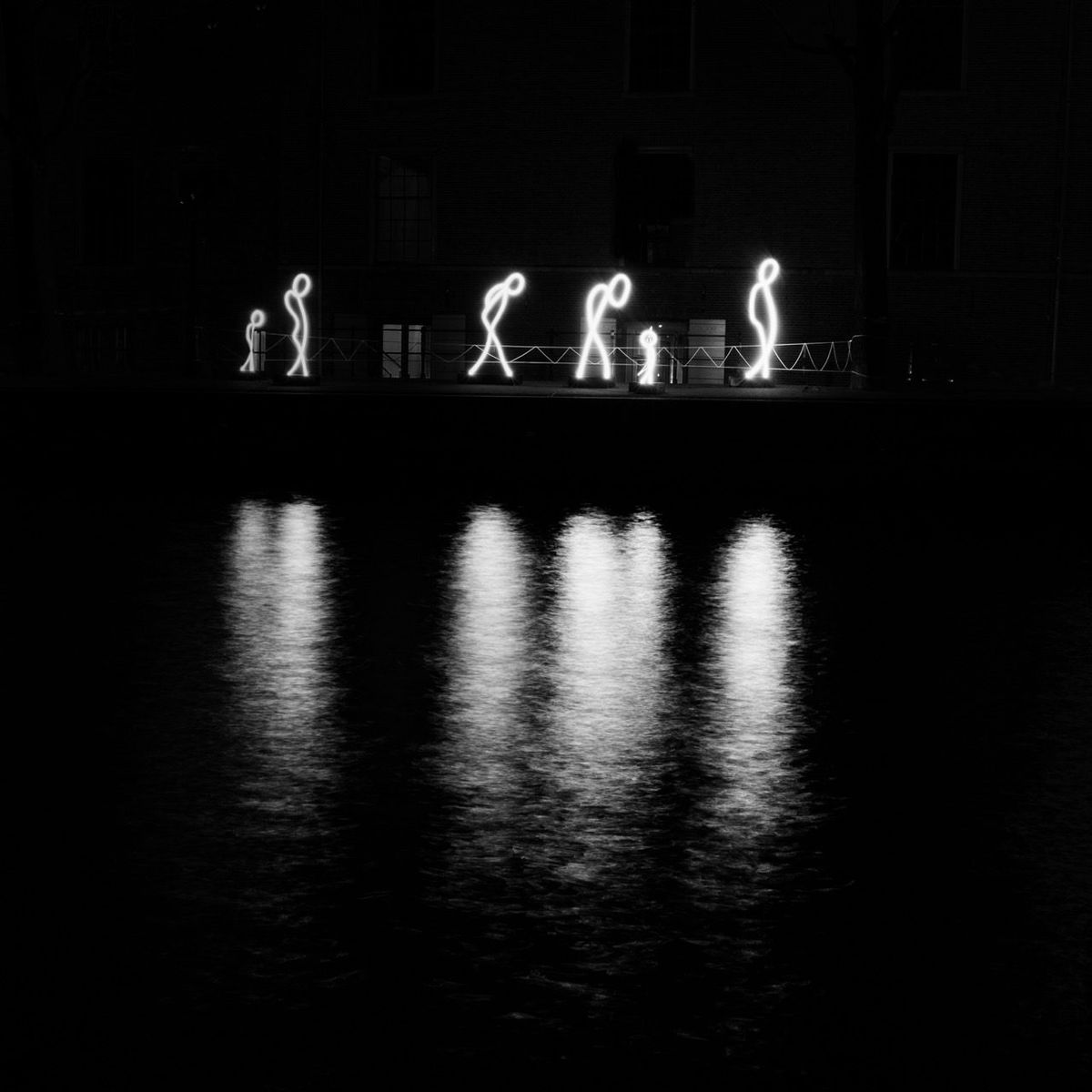
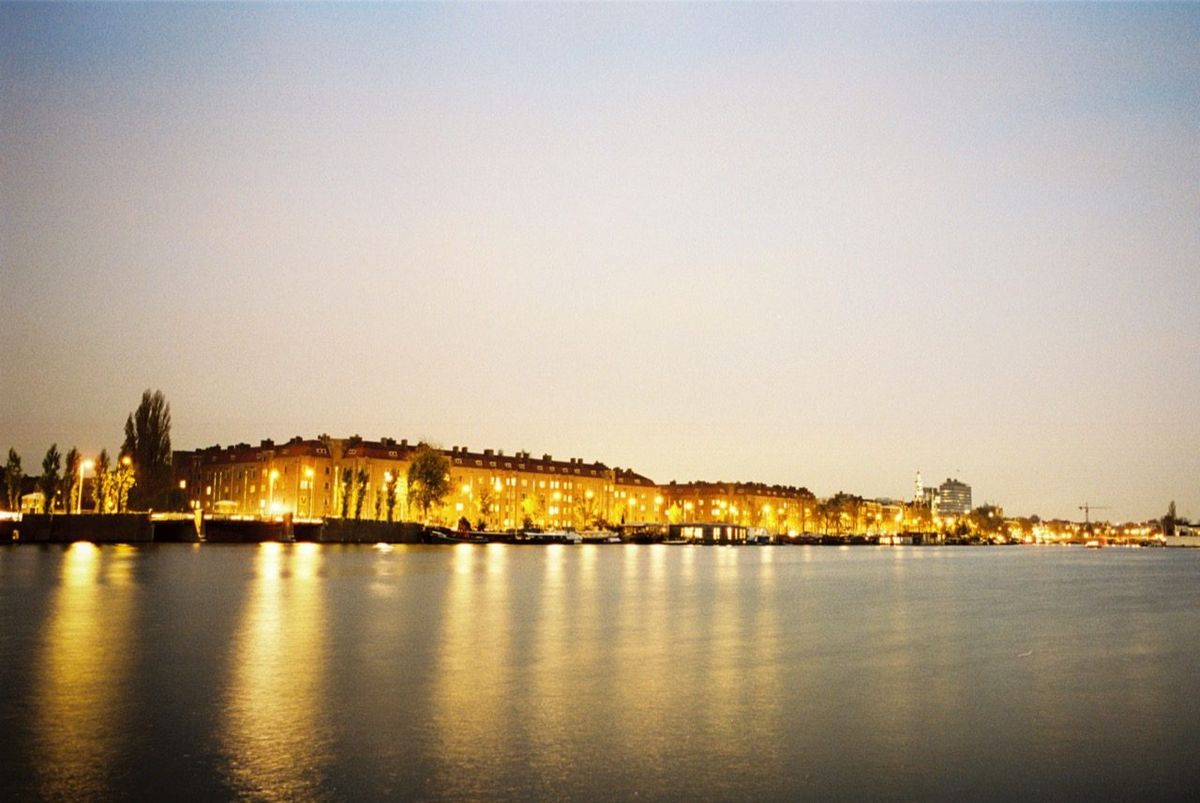
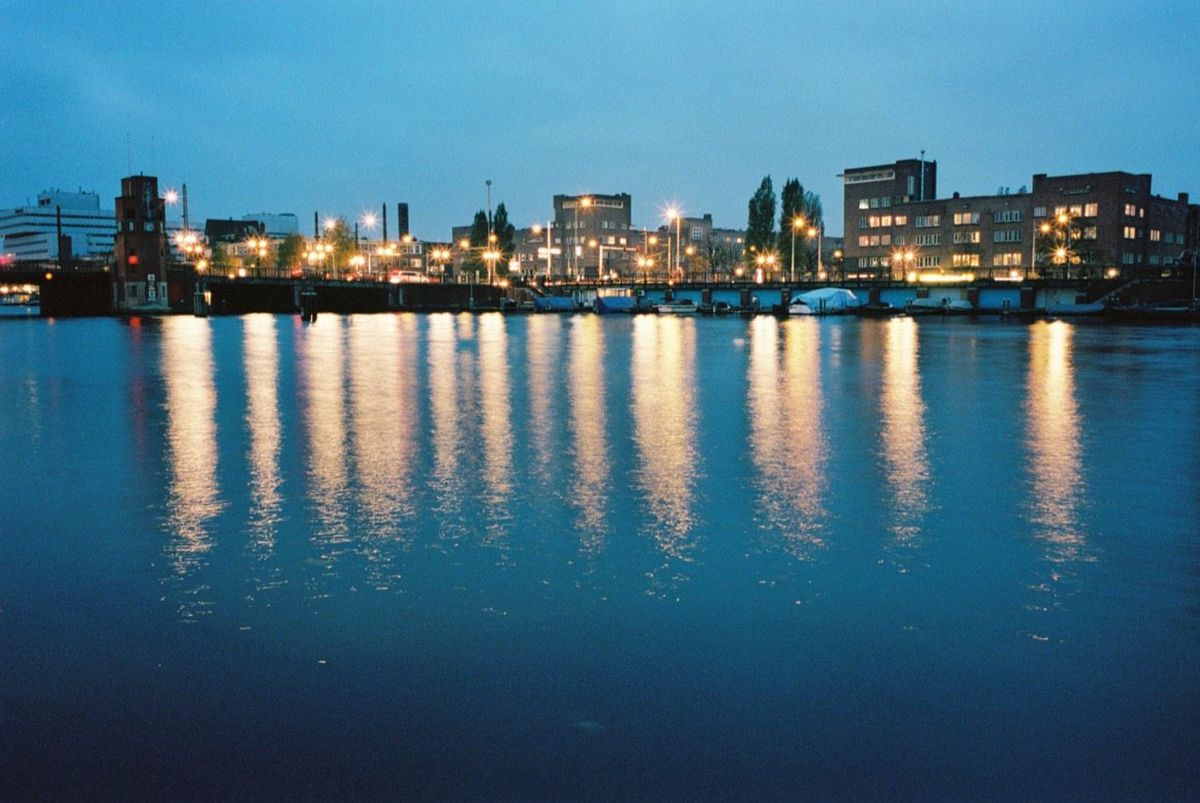
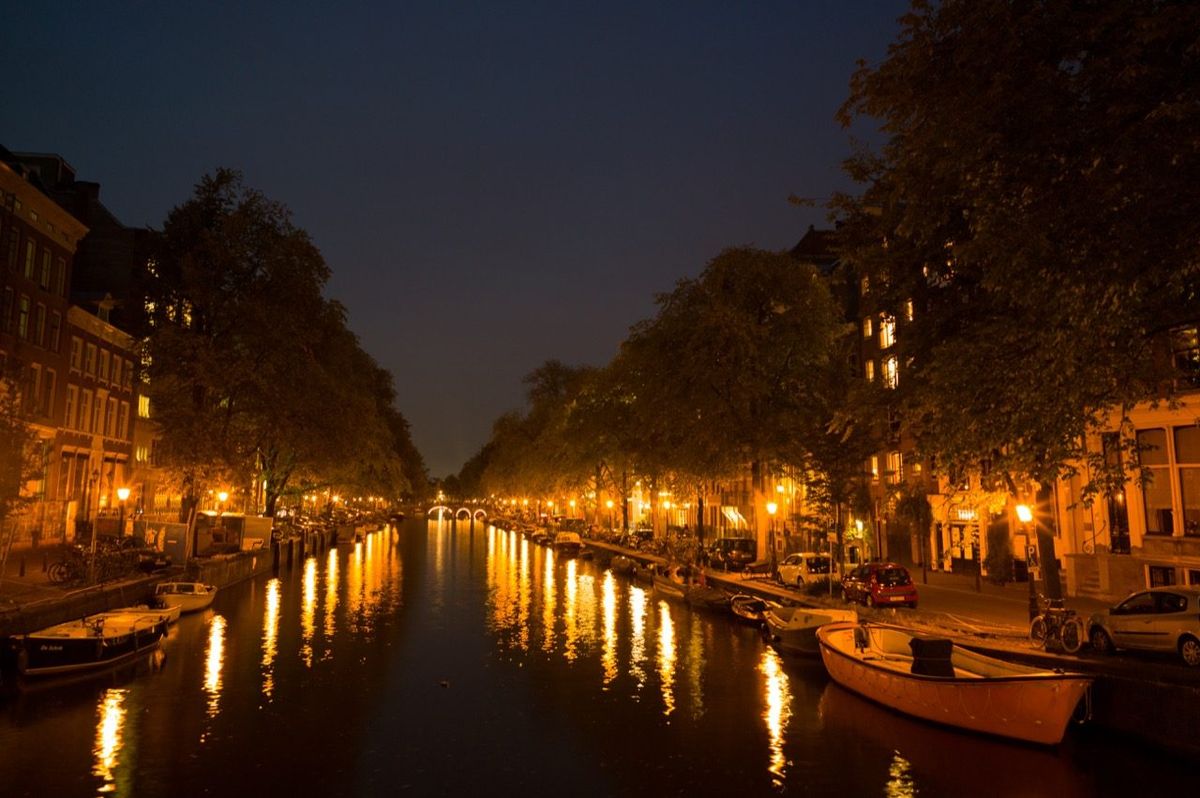
Nighttime photography is very special to me; the Winter is the perfect time to practice because it is so dark so much of the time. Photography is painting with light, so finding the right sources of light is key.
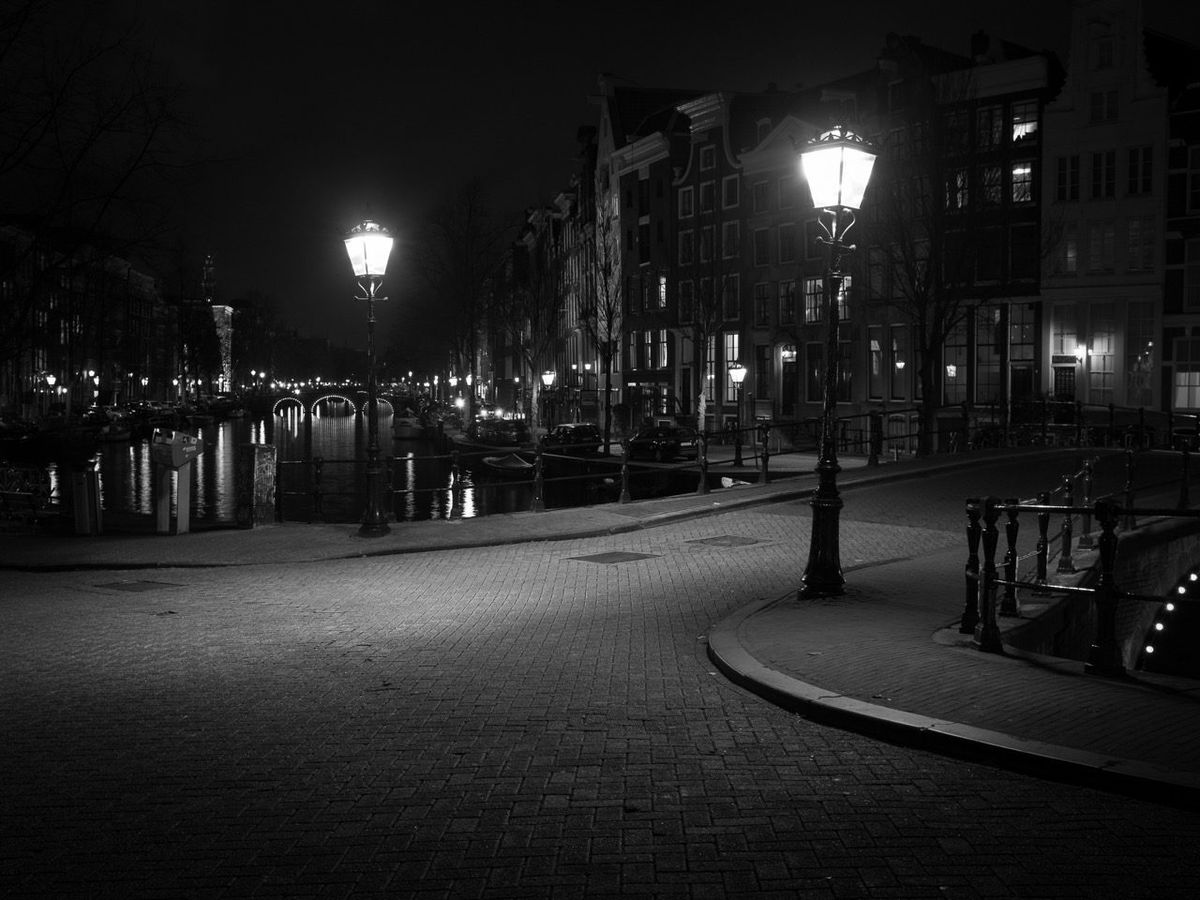
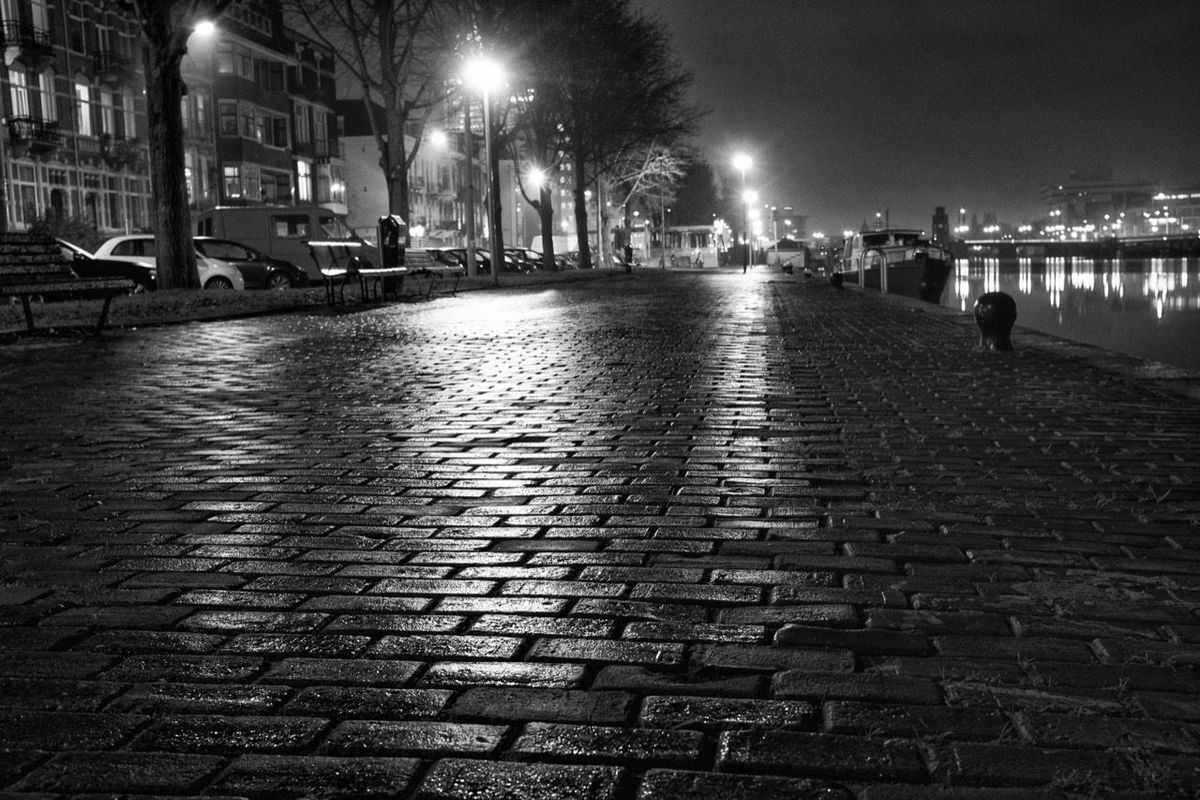
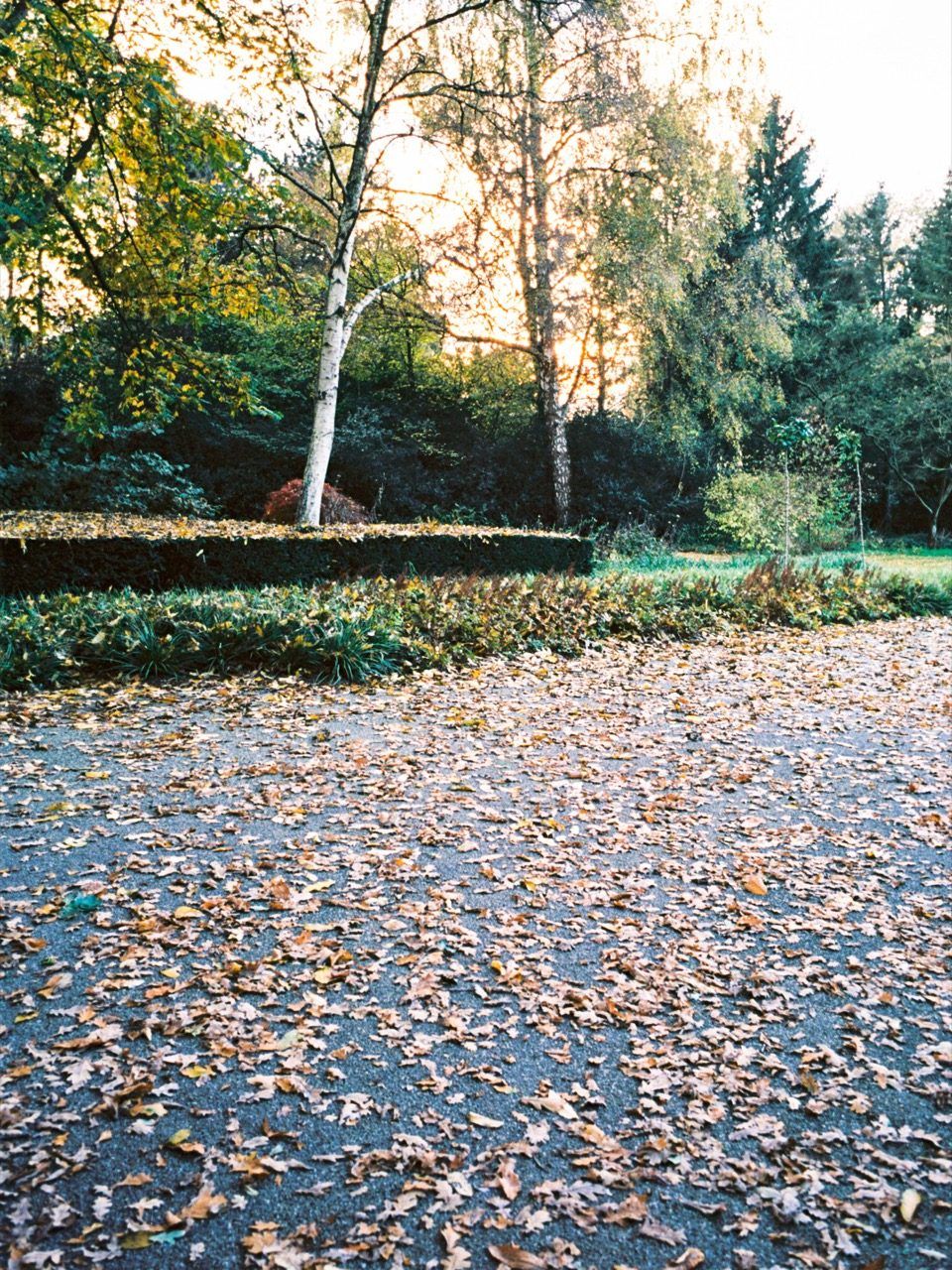
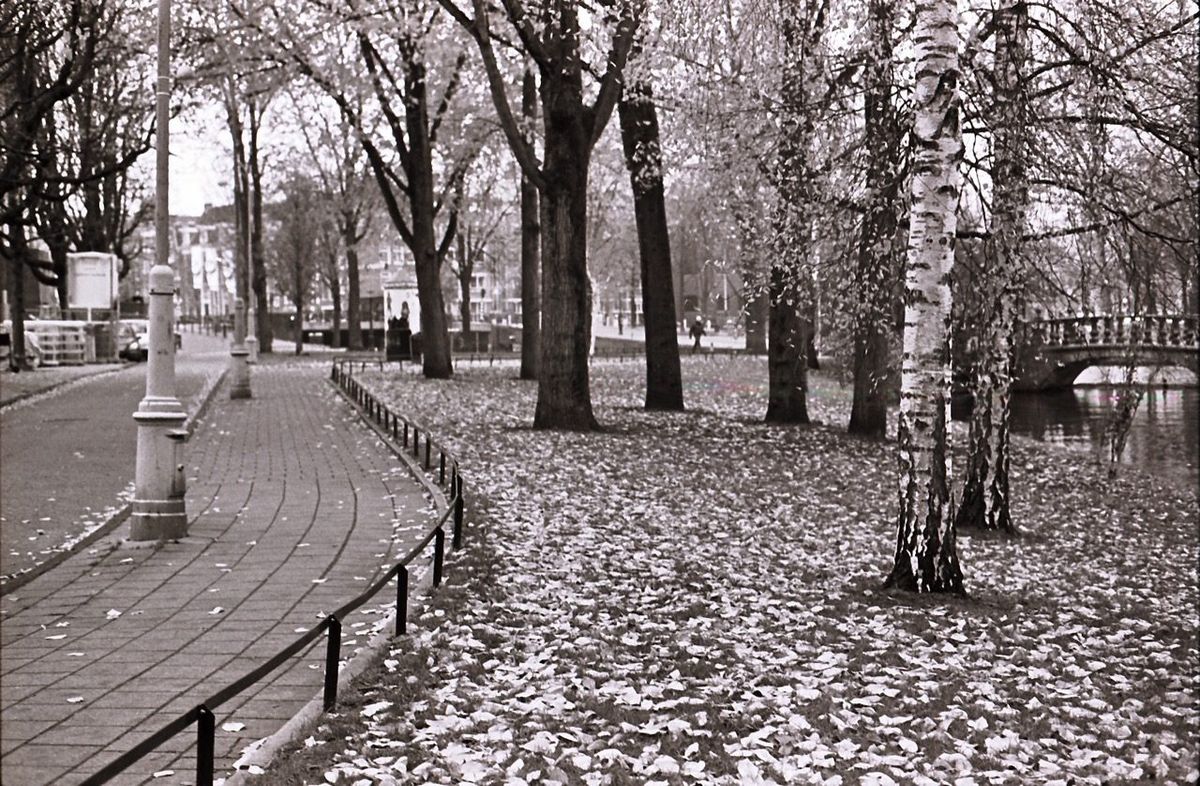
When Autumn first arrived, I didn’t see many leaves change colour or fall off their trees. It was only late in the season that they finally succumbed to the inevitability of Winter. After reaching the ground, leaves were only visible for a short time. I don’t know where they went – swept away by street cleaners, I imagine; it happened while we were away from the city.
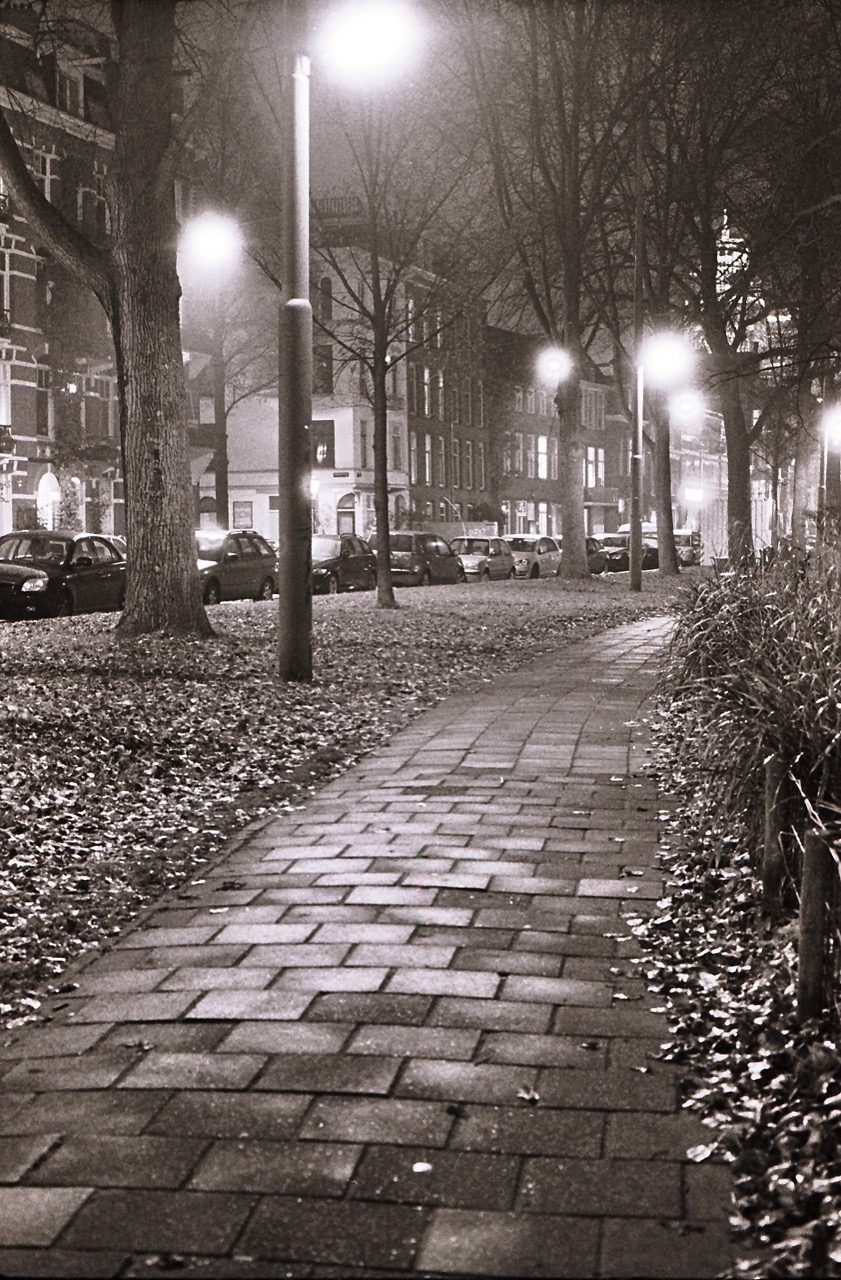
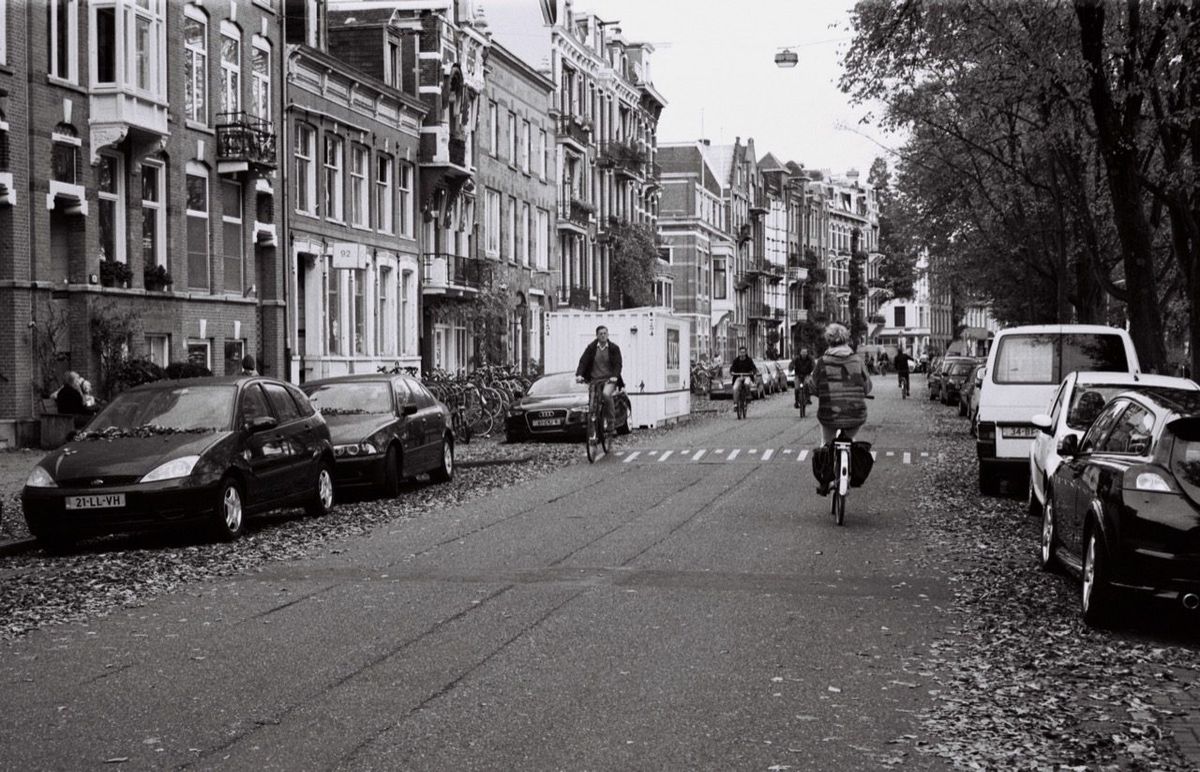
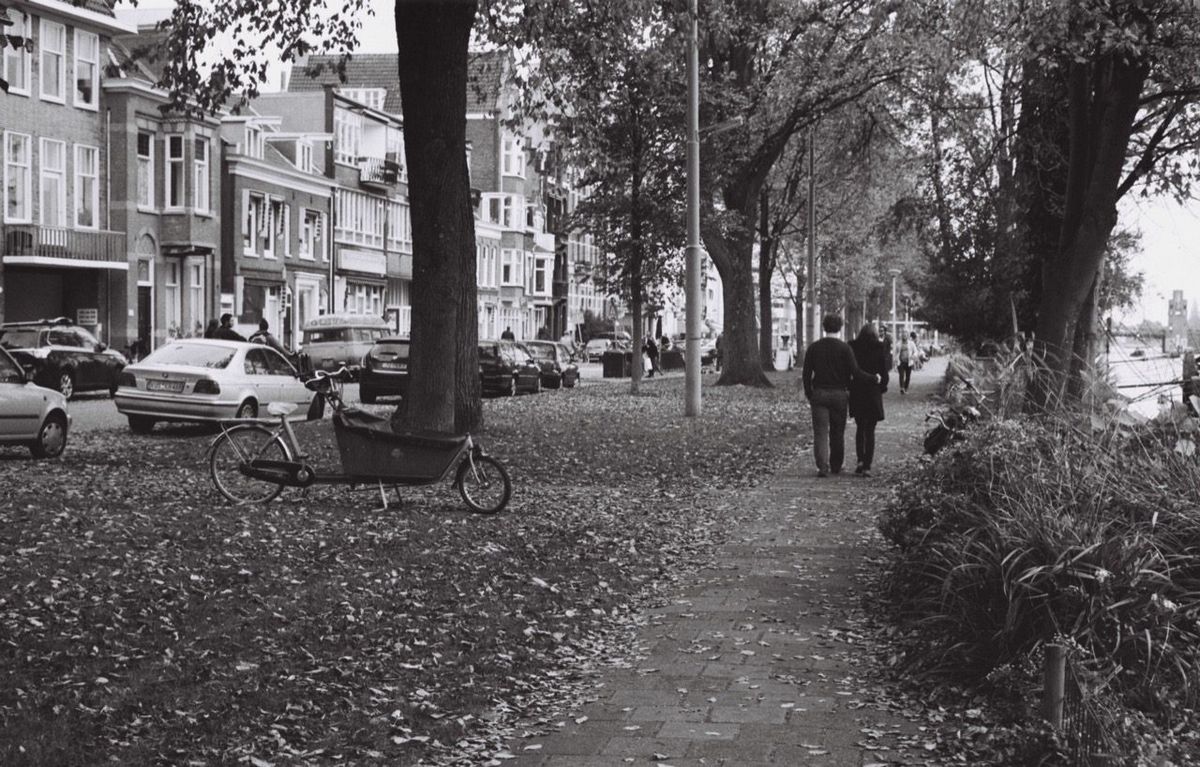
Nighttime photography, combined with bodies of water, offers a unique style of photography. Depending on the shutter speed, you can either freeze the motion of the water or smooth it out to create an ethereal effect.
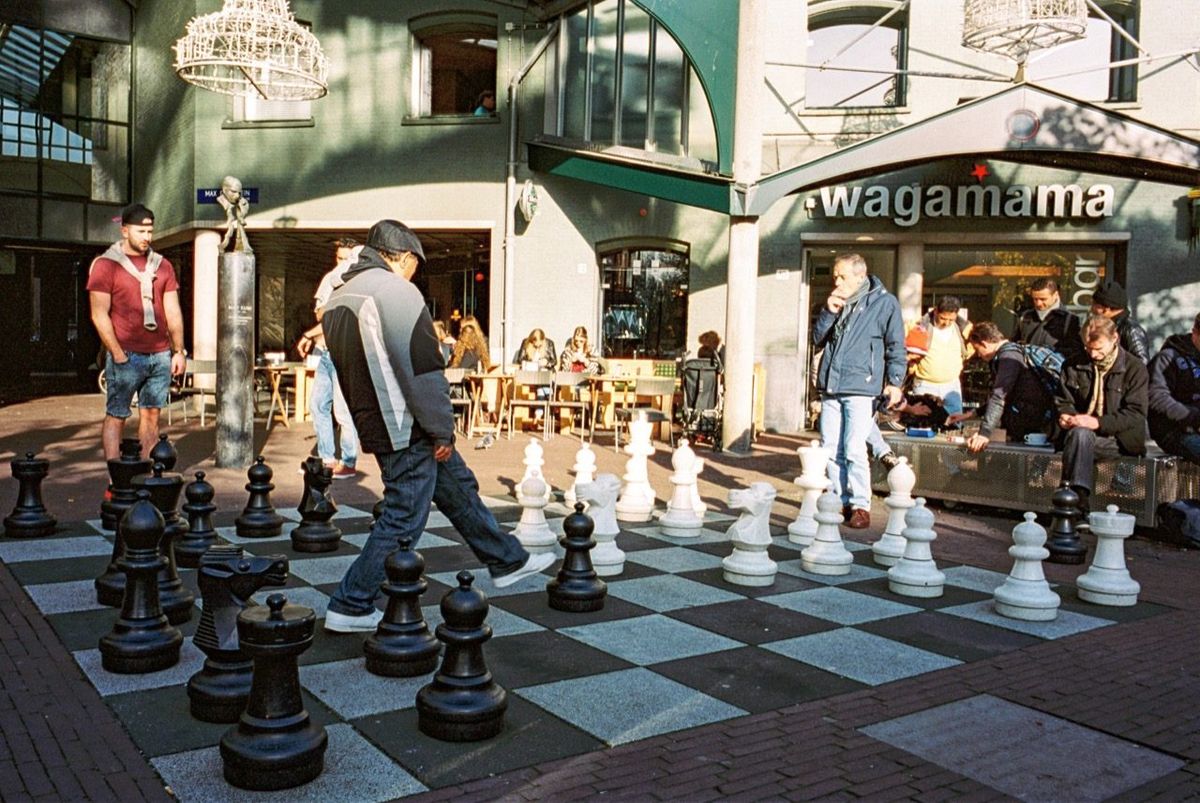
This year, I tried my hand at street photography: the kind where you walk up to a stranger, take their photo discreetly, and continue on your way. This style is all the rage with the photography community these days, and I think it has its place in society (some of the most memorable photos from the twentieth century were taken by street photographers). But something didn’t sit right with me. I didn’t like the looks of surprise or distress in my subjects’ faces, so I stopped it immediately. I don’t care about the final product of my photography – I care about the process. If I don’t enjoy it – if my subjects don’t enjoy it – then I’m not doing it.
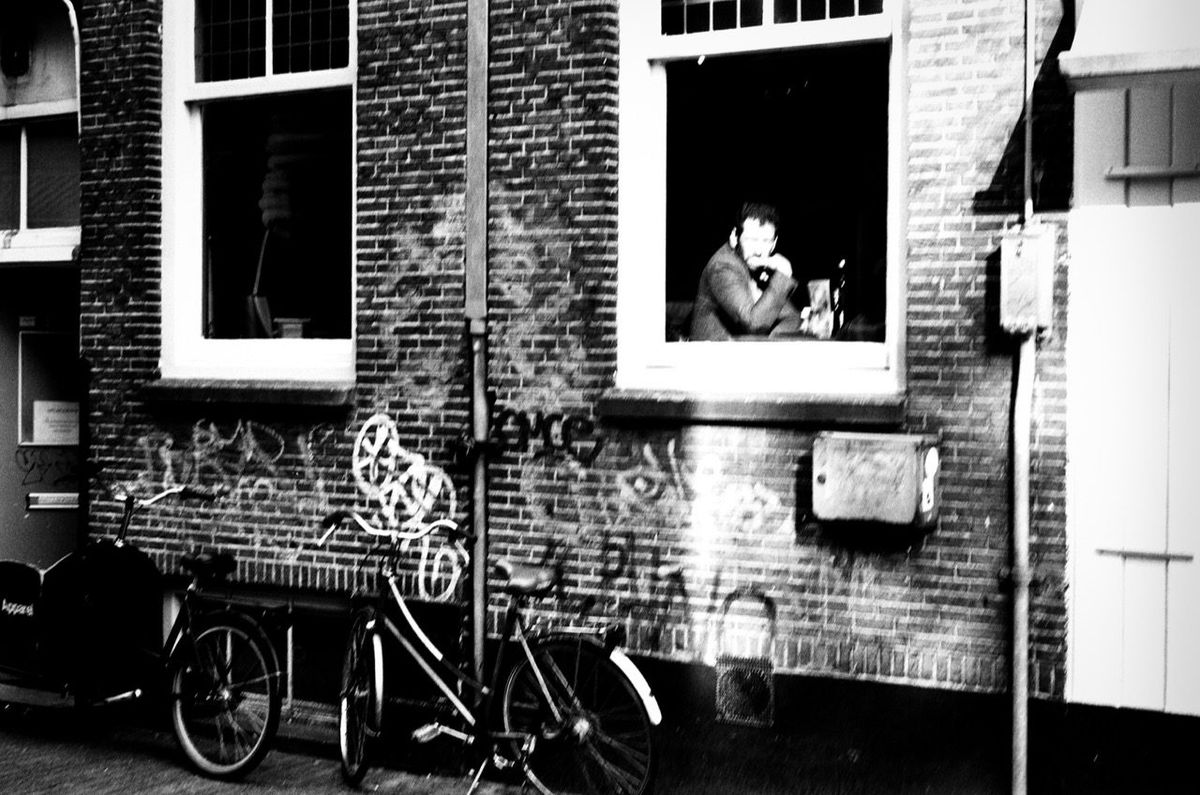
I still take street photographs, but they aren’t focused on individuals; instead, I focus on a scene. I want the photos I make to make you feel something. I’m still very new at it and have a lot to learn, but an impending move to New York City promises lots of opportunities to practice.
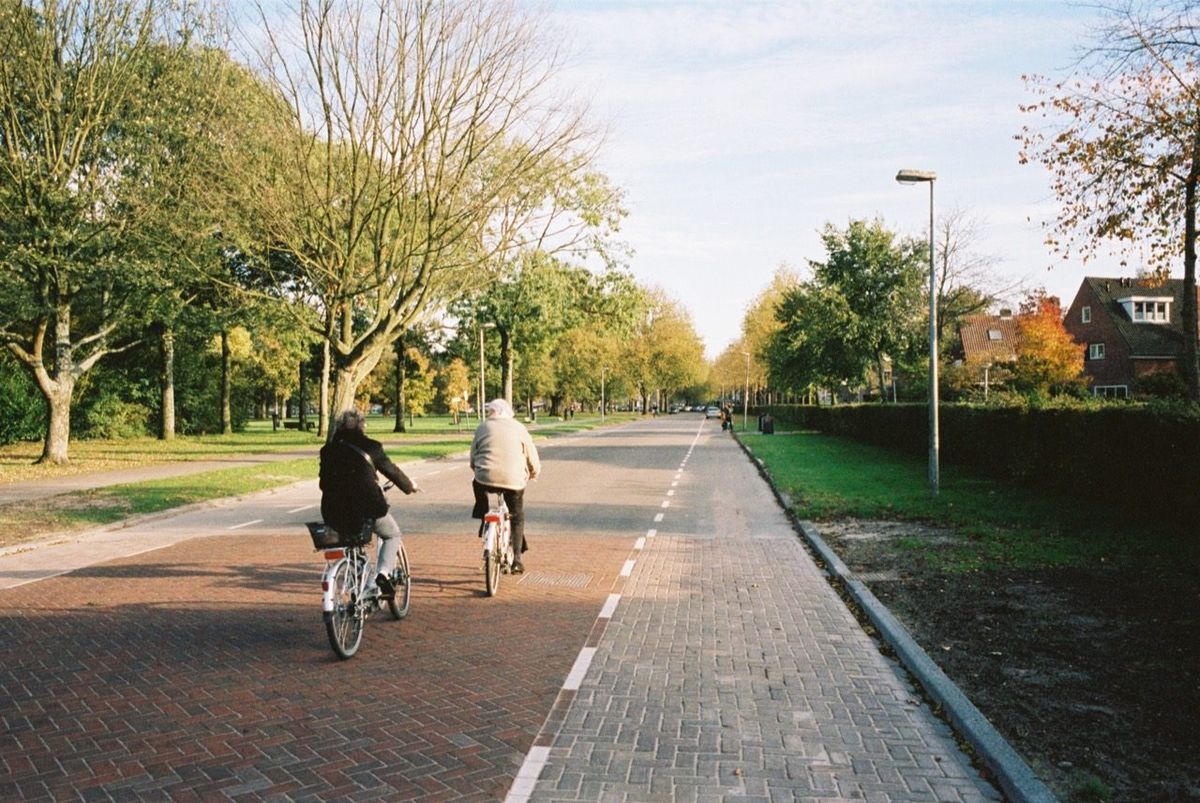
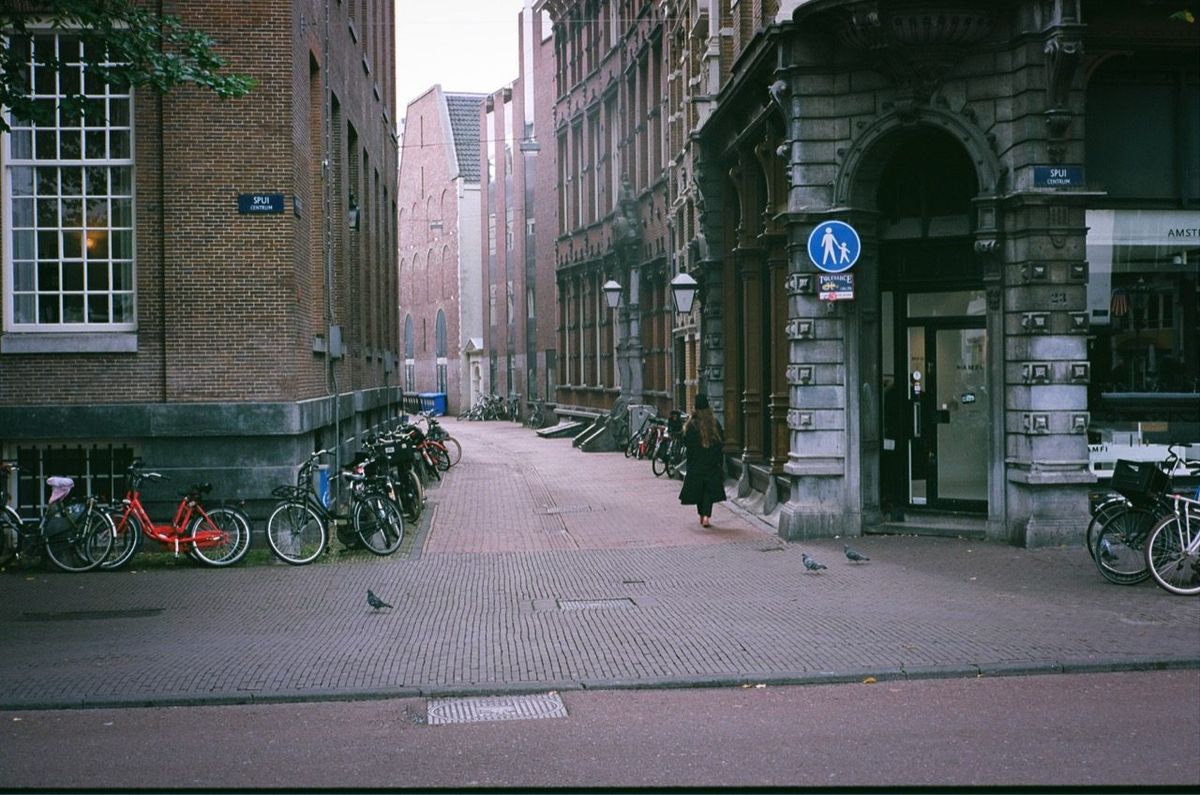
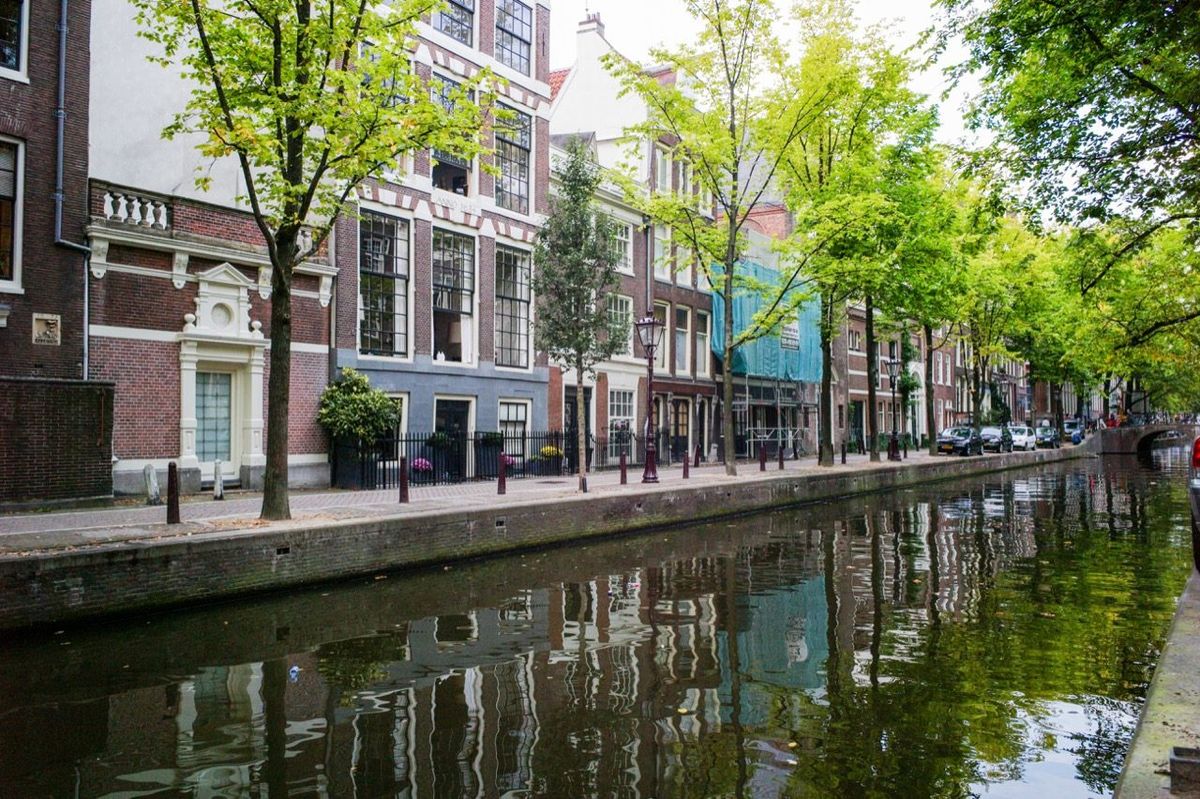
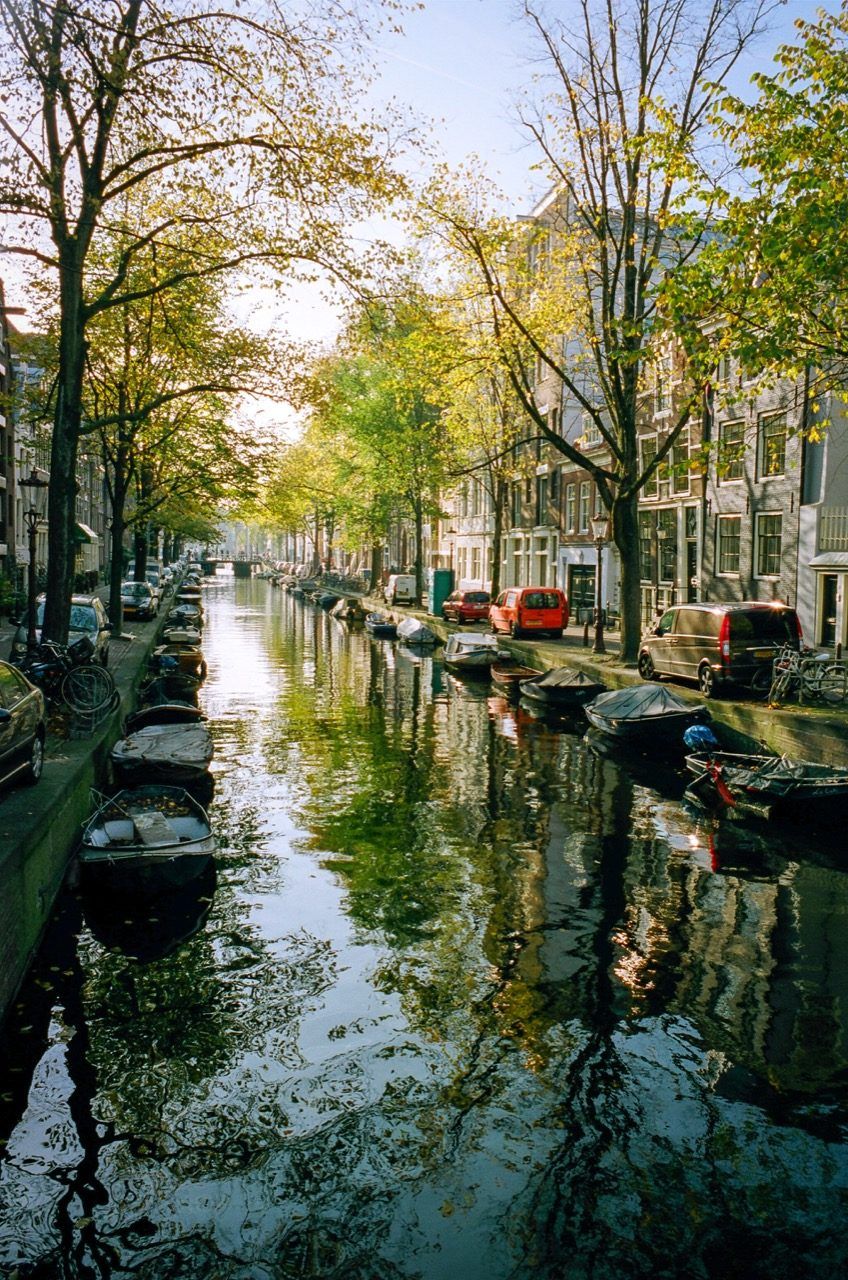
One of Amsterdam’s key defining features is its series of canals. The city boasts 1500 bridges to cross these bodies of water, which are used for transportation, leisure, and house boats.
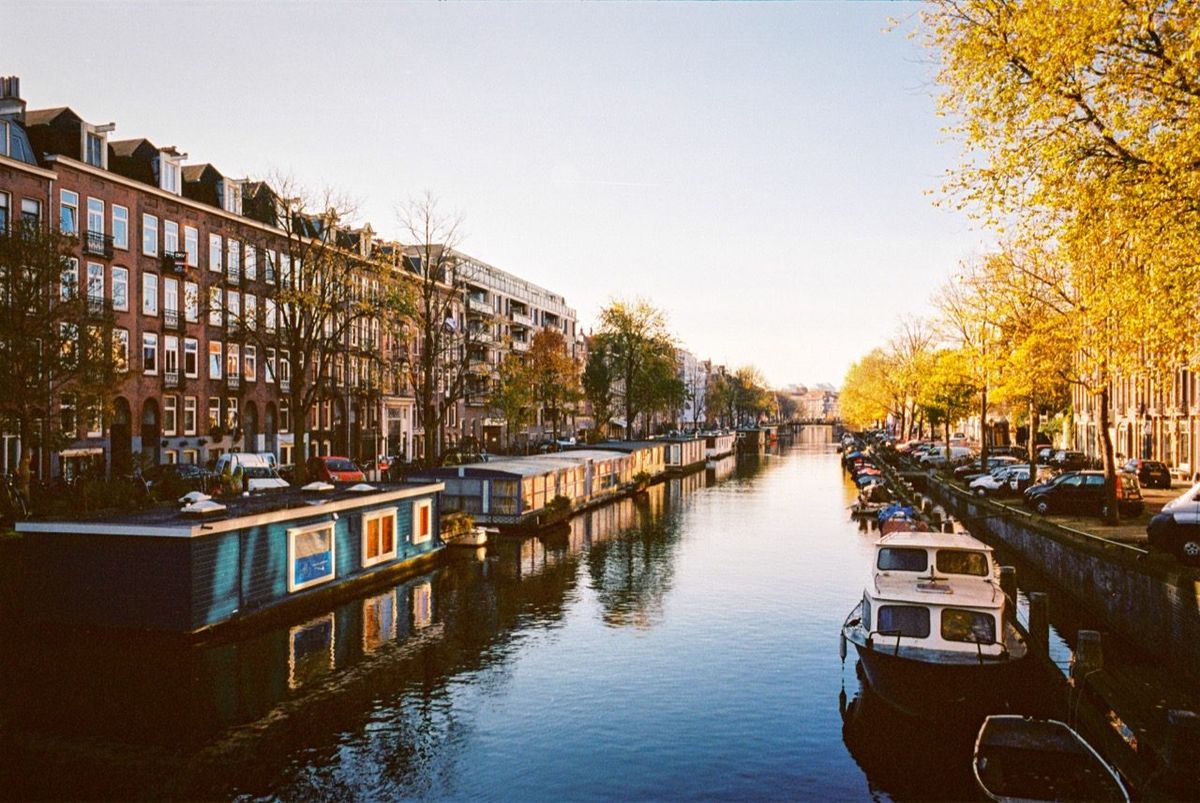
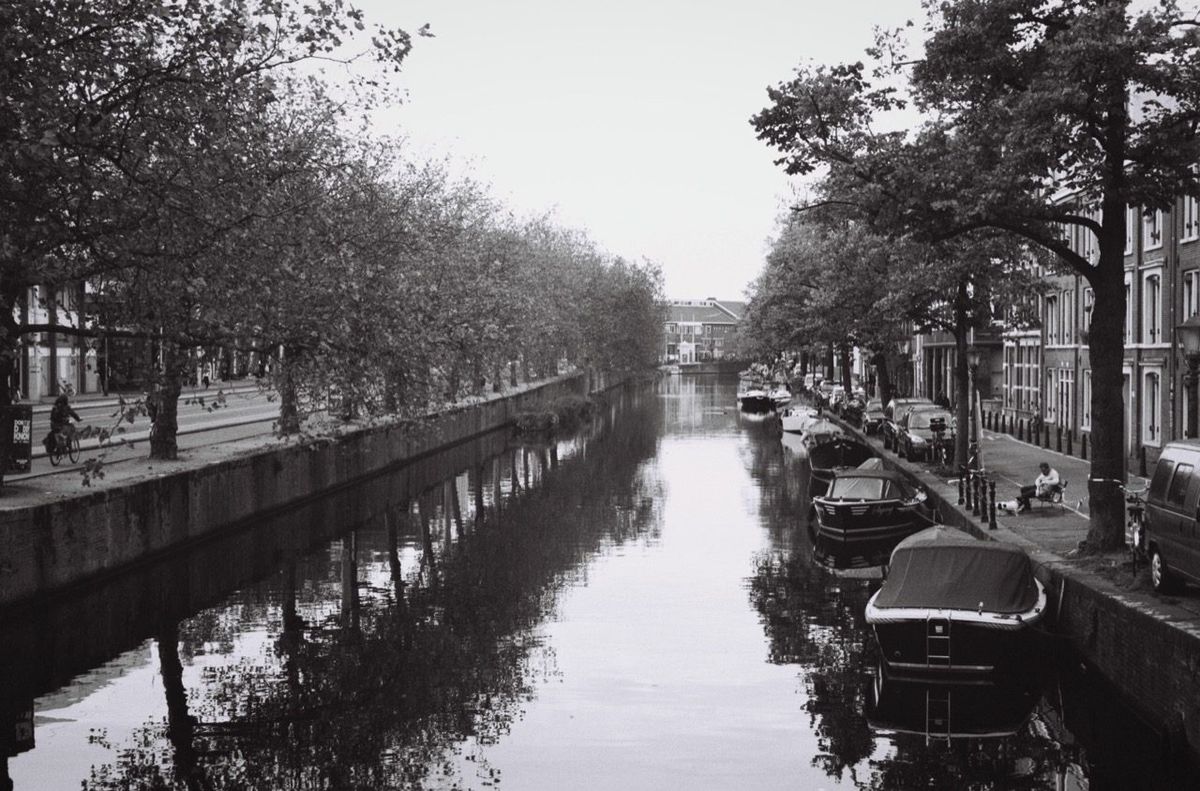
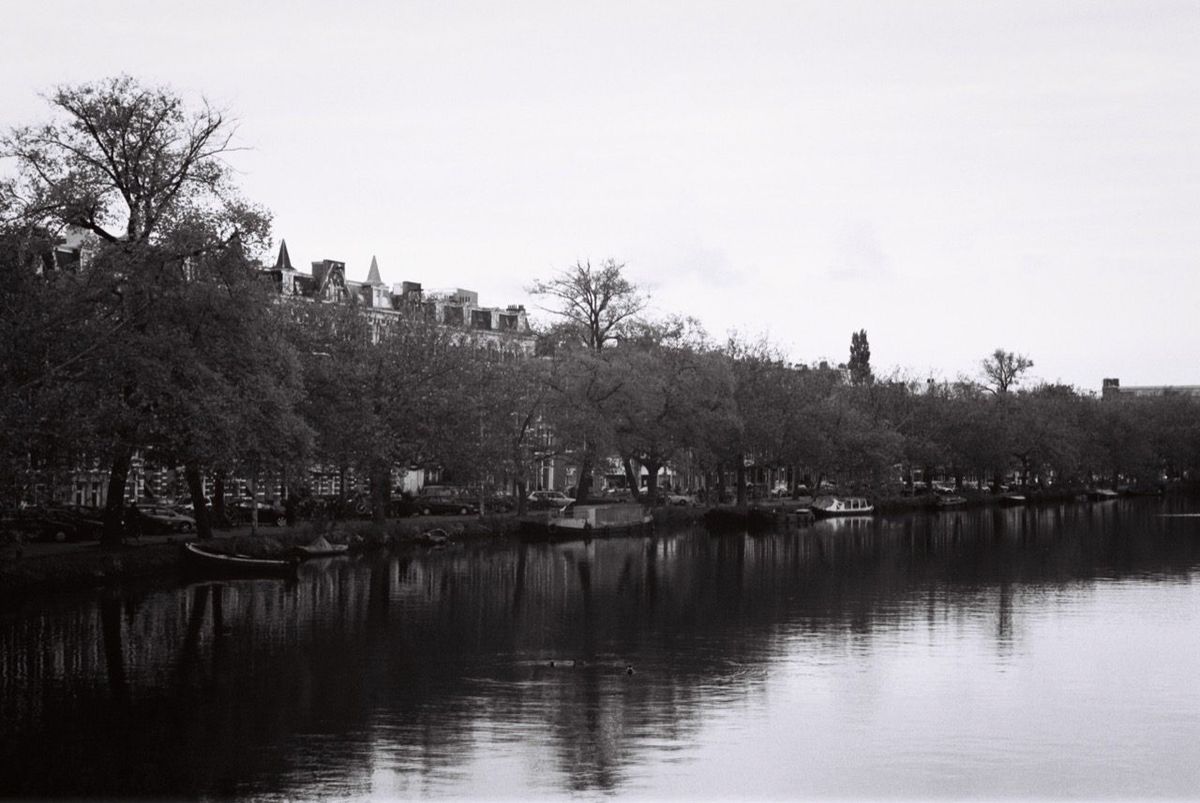
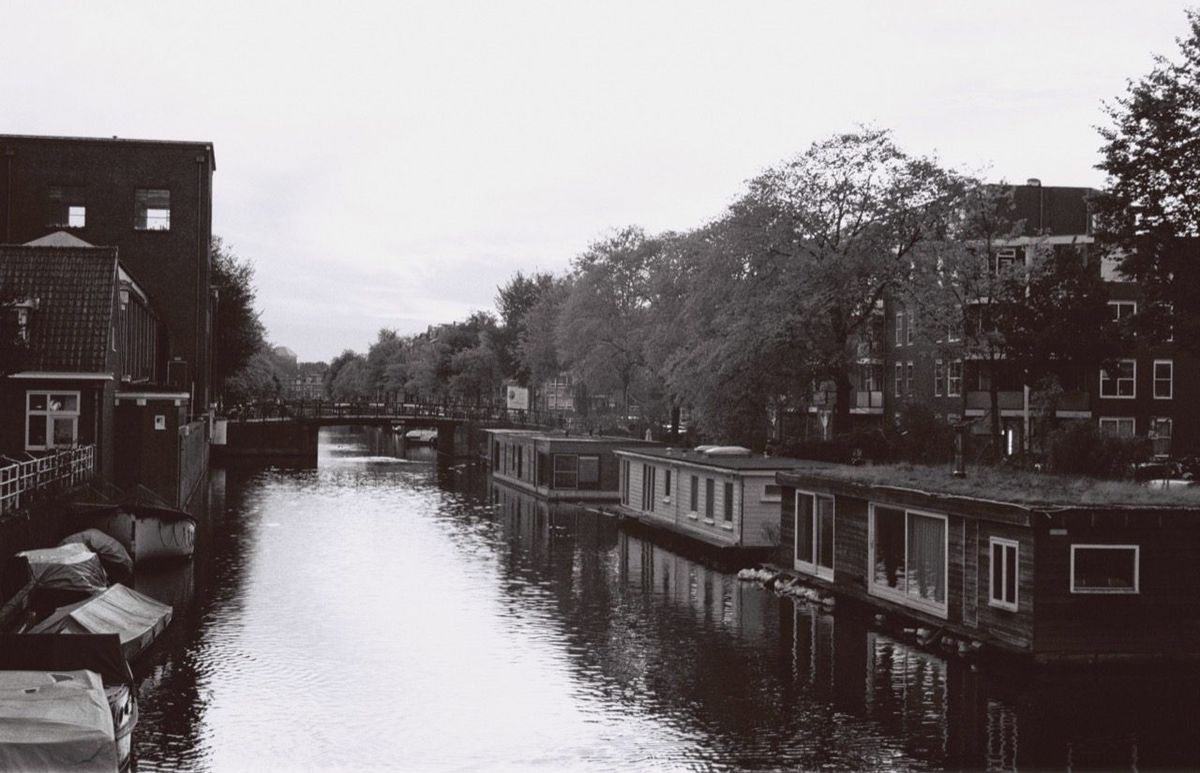
The photos in this post represent a body of work that I did over about three months’ time. Most of the photos were made on film – mostly Portra 400 and TMax 400, but with some Ektar and Delta 3200 as well. Of all the photos in this post, only 11 were made digitally.
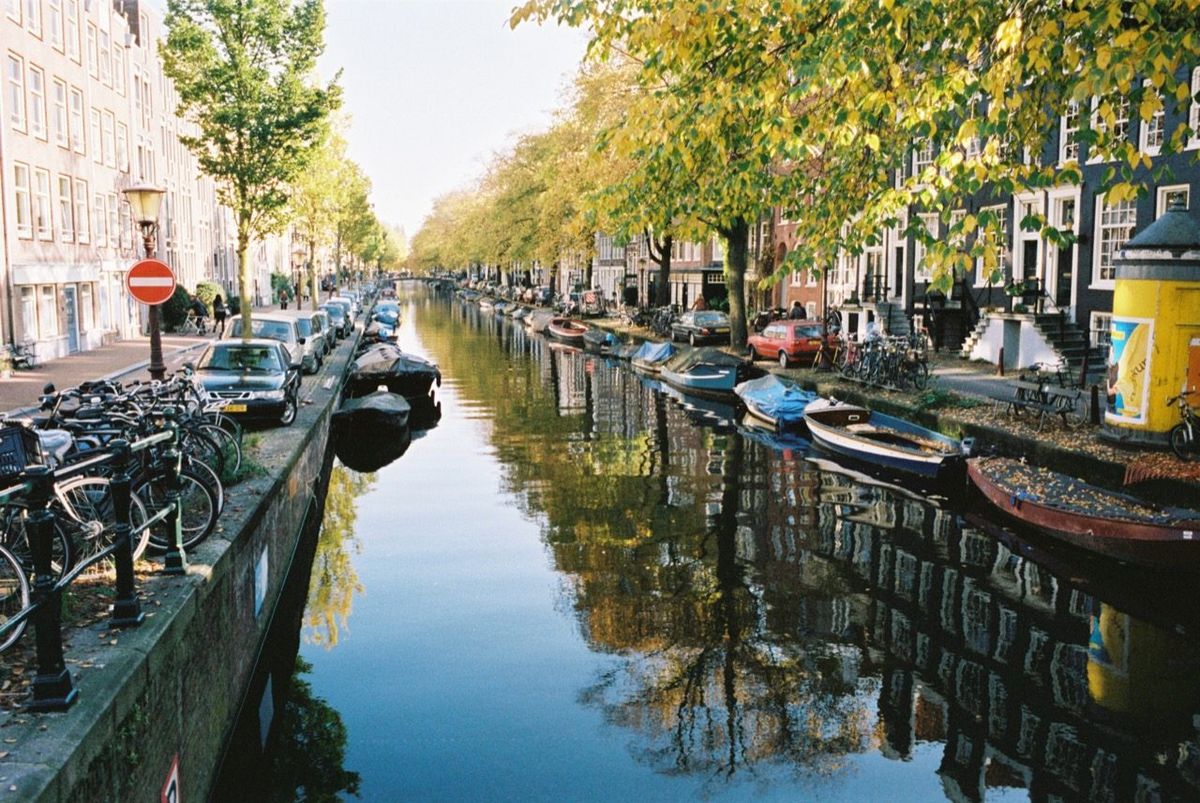
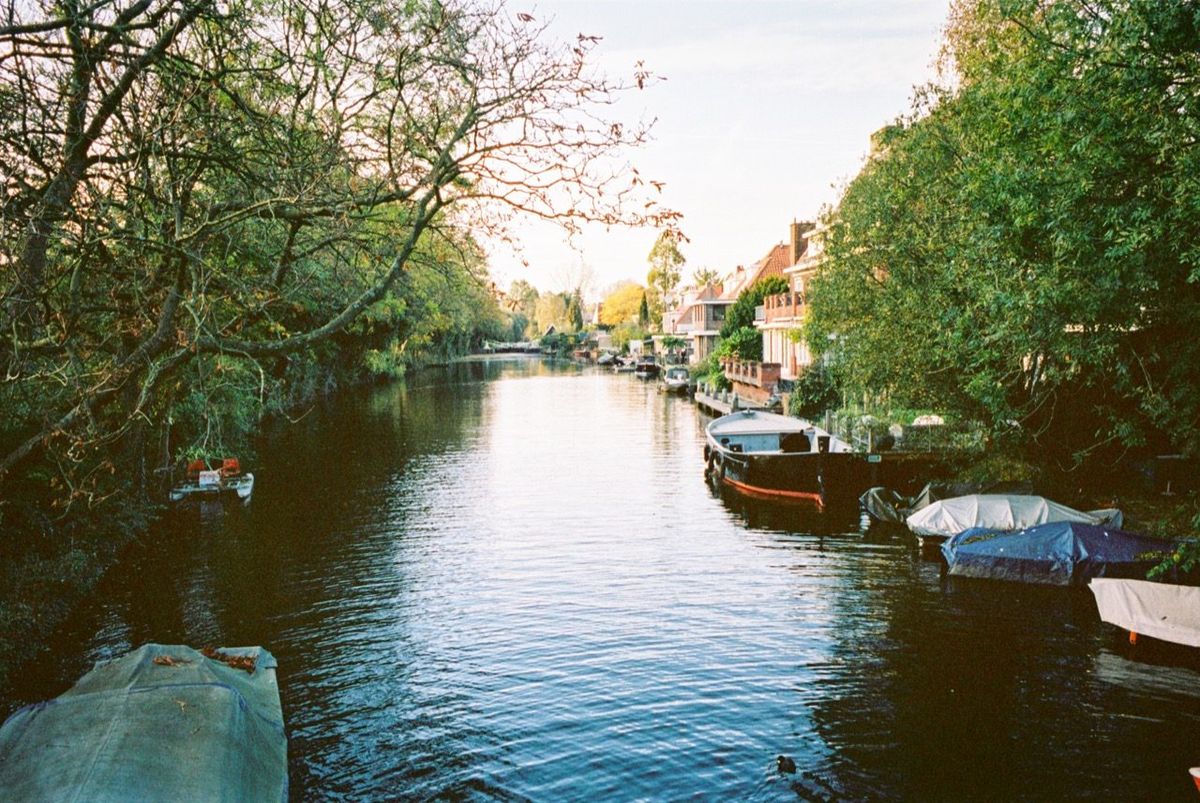
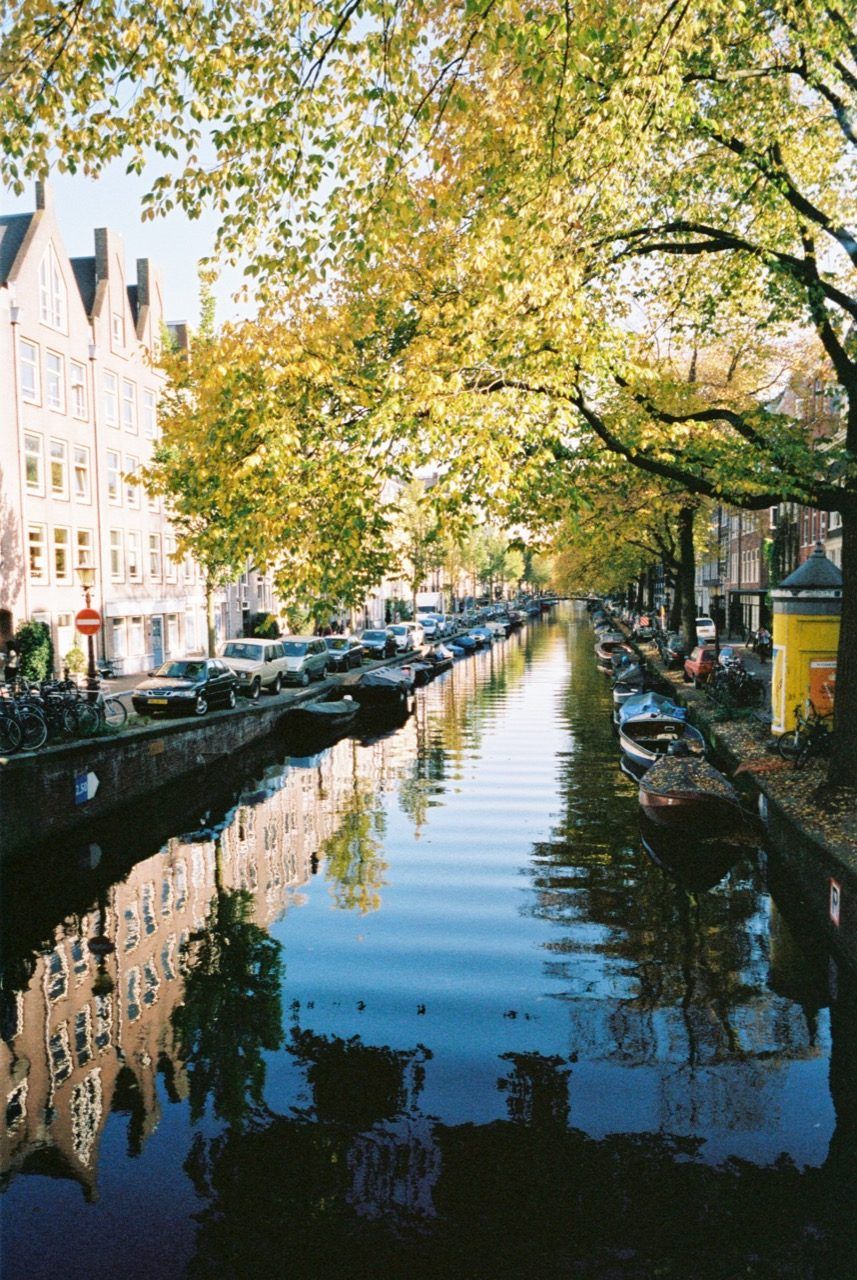
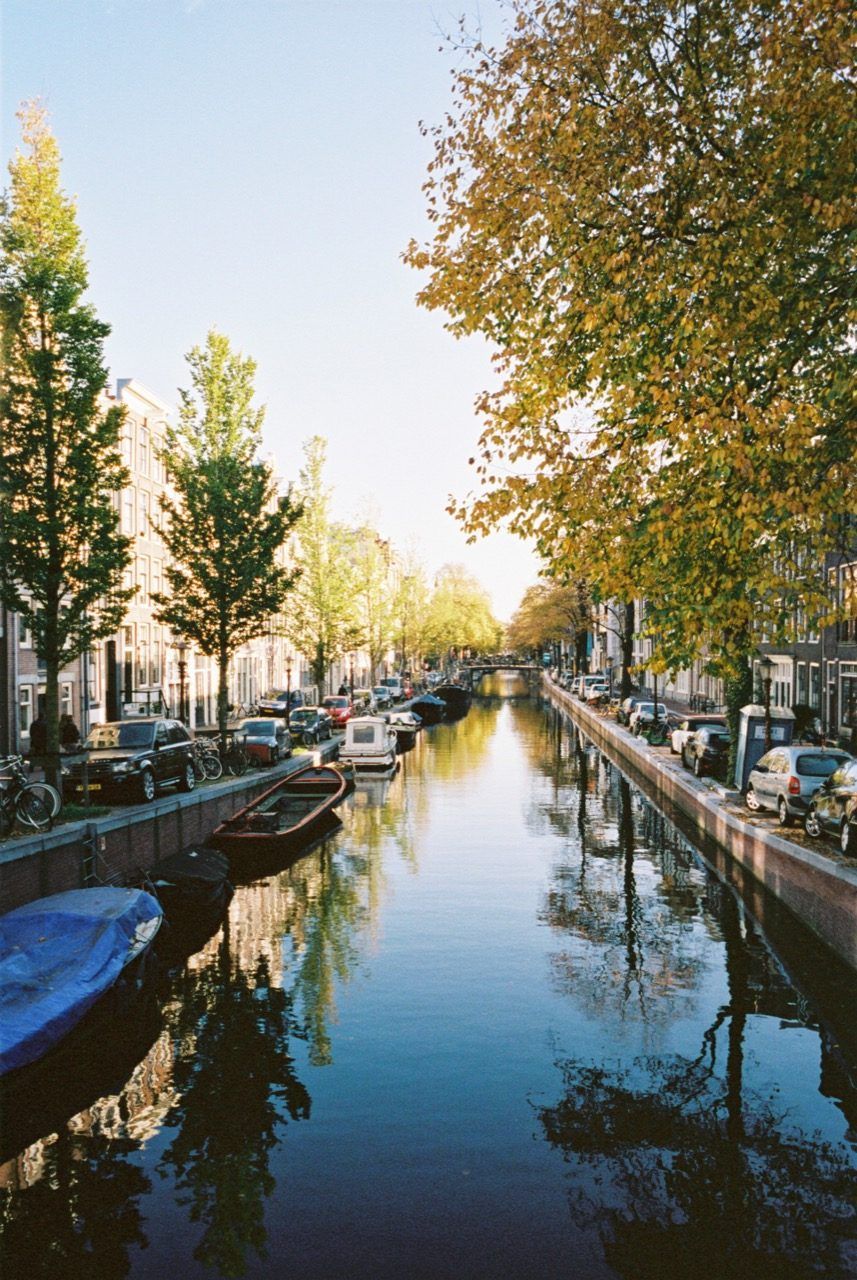
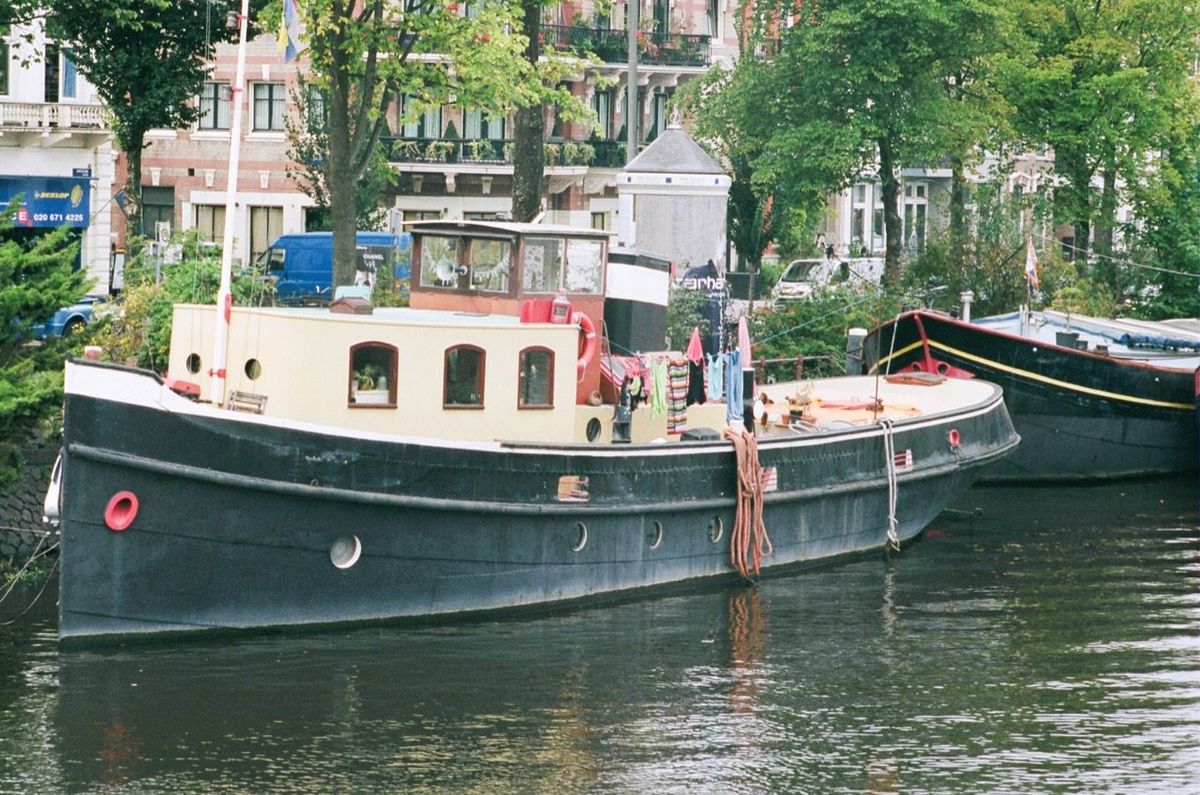
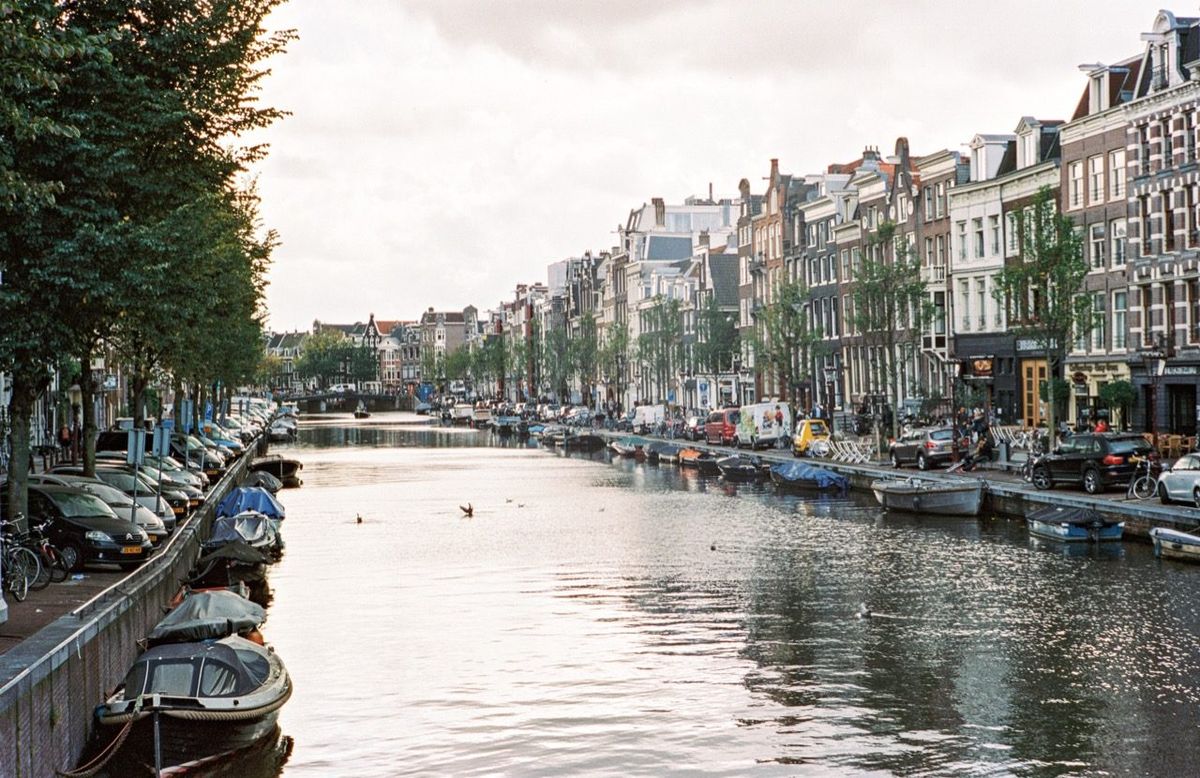
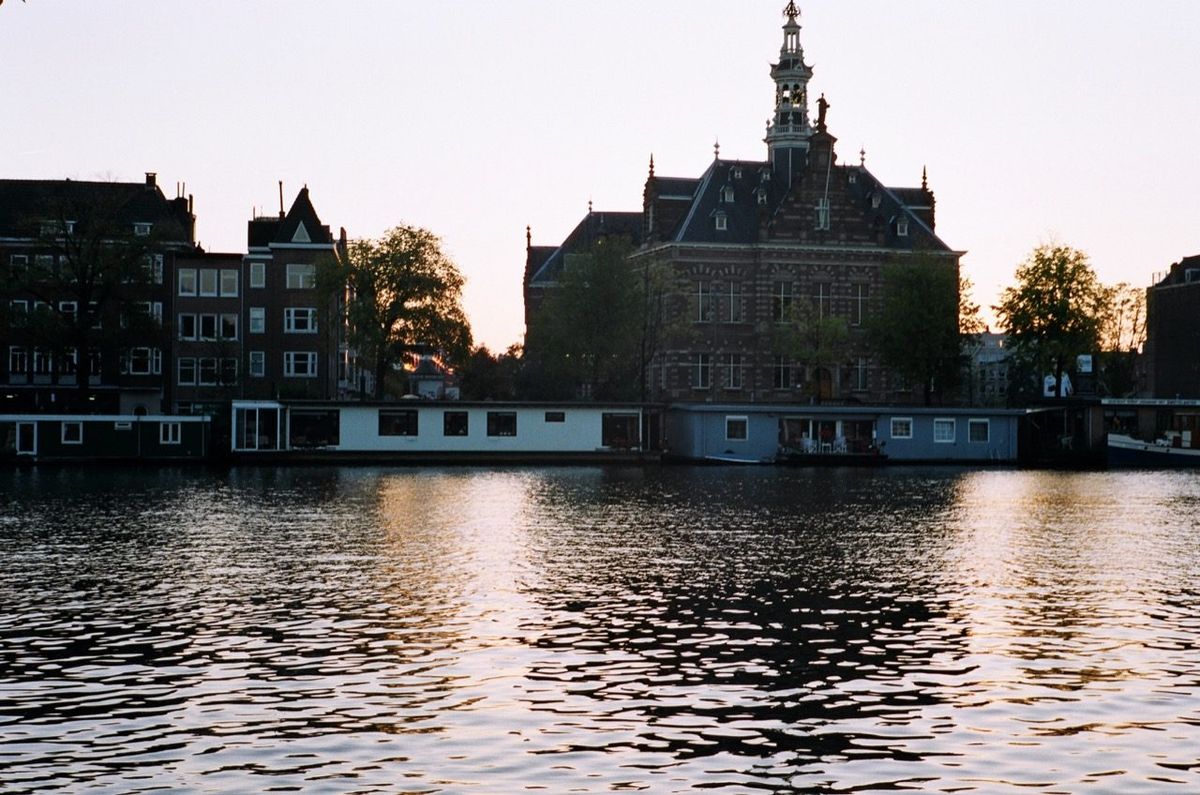
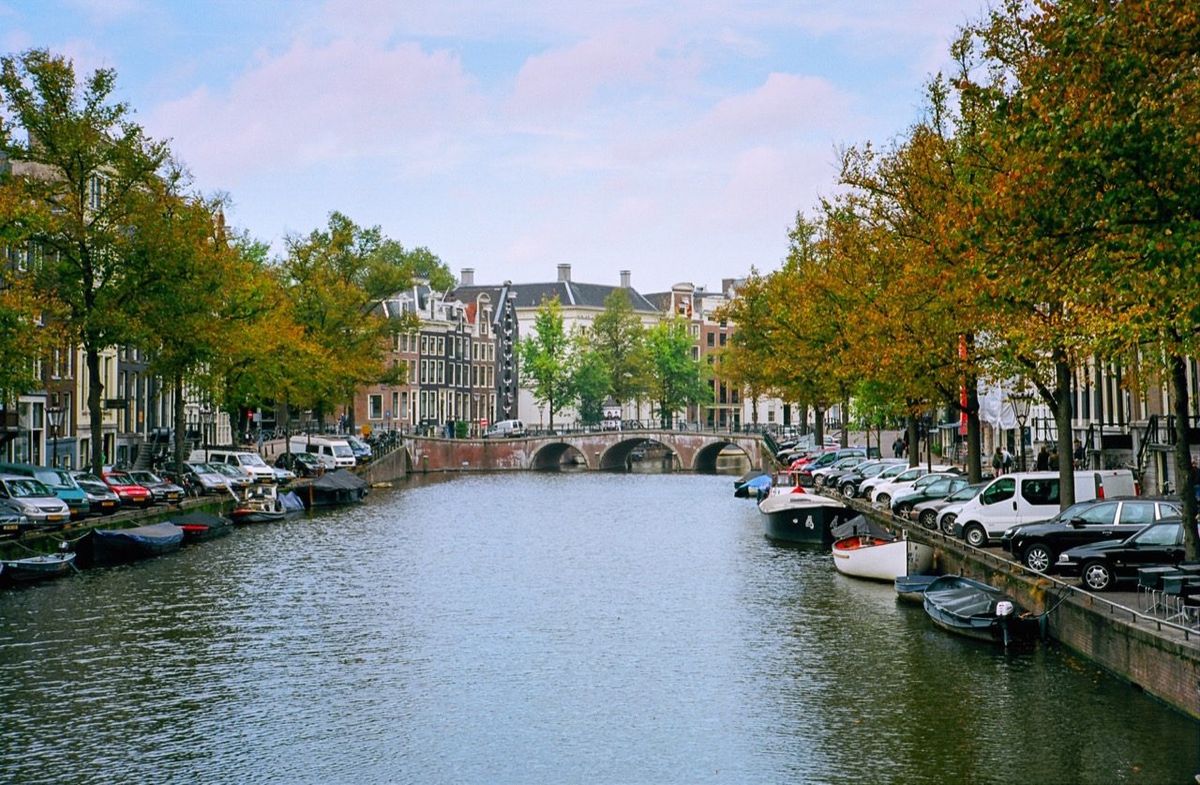
OK, so maybe I went a bit overboard on the photos of the canals. But I’m unlikely to ever live in this city again, so I wanted to make these photos while I can.
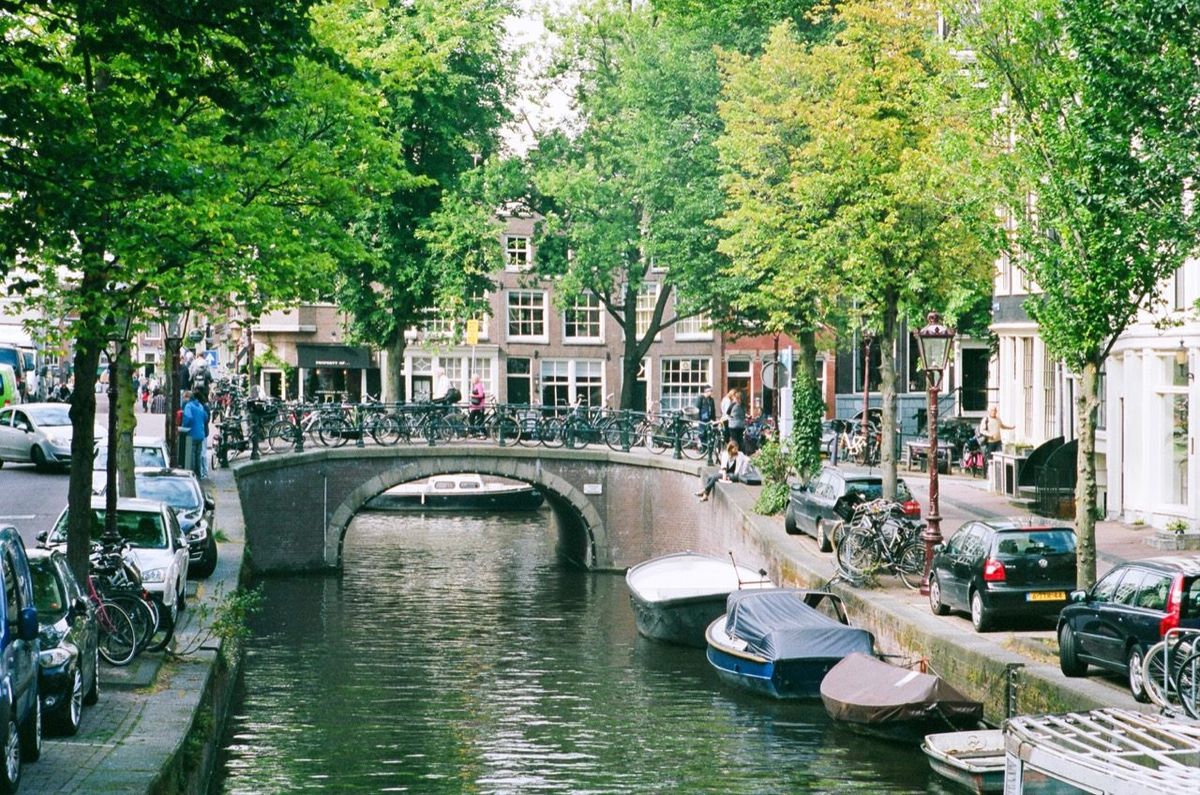
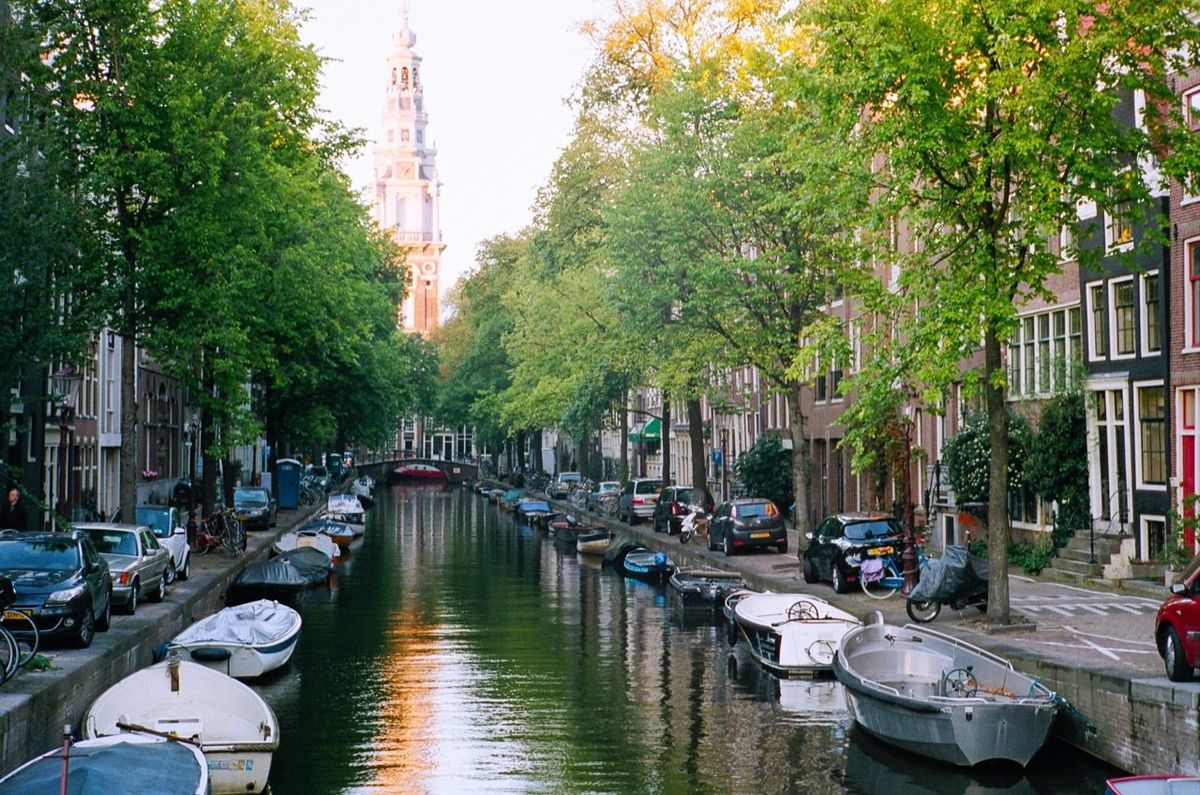
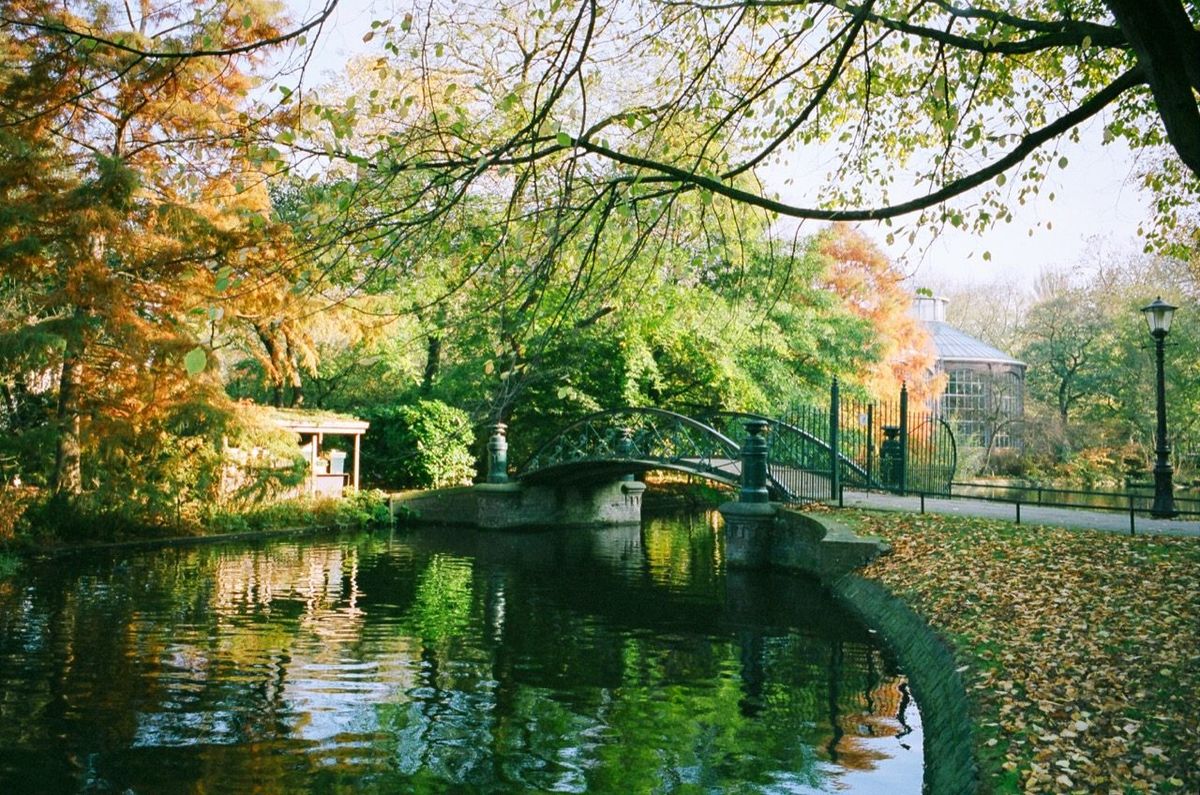
I love this city because you can turn a corner and find yourself in a completely new or different part of town. In this case, we were searching for a new film lab. On our way, we found this beautiful rear-entrance to a botanical garden.
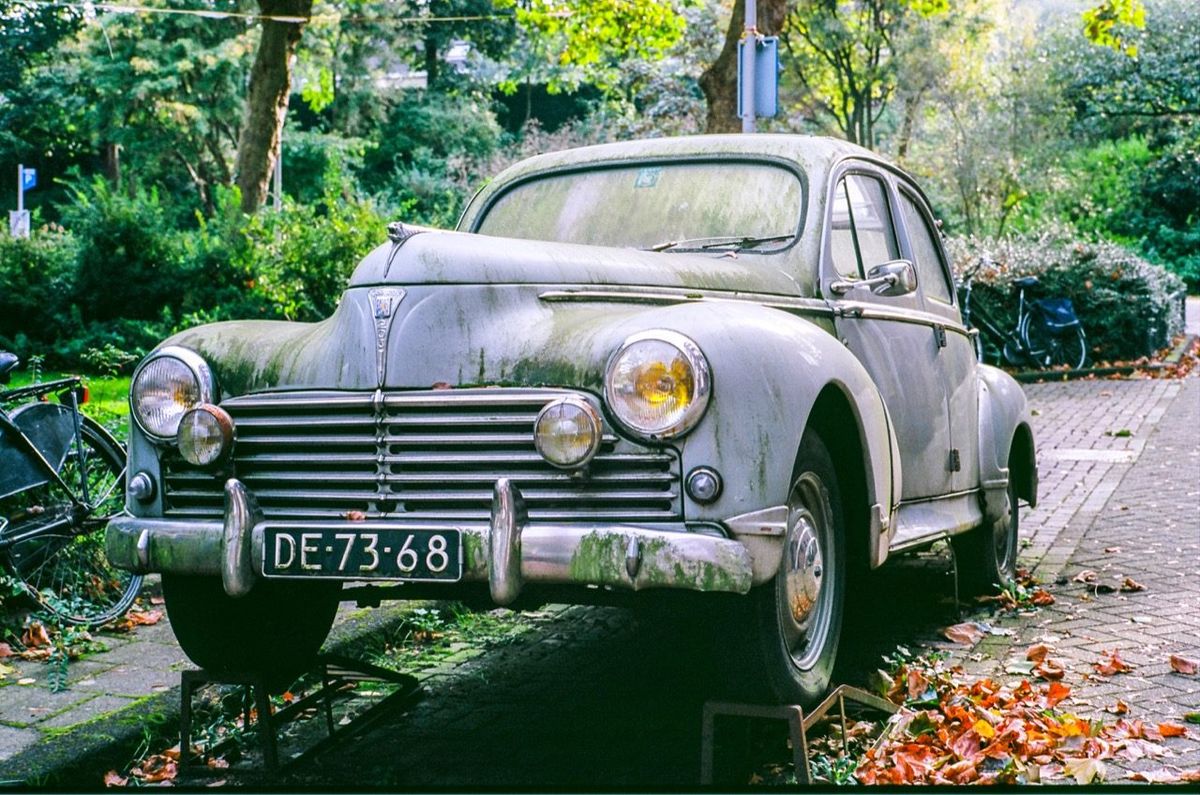
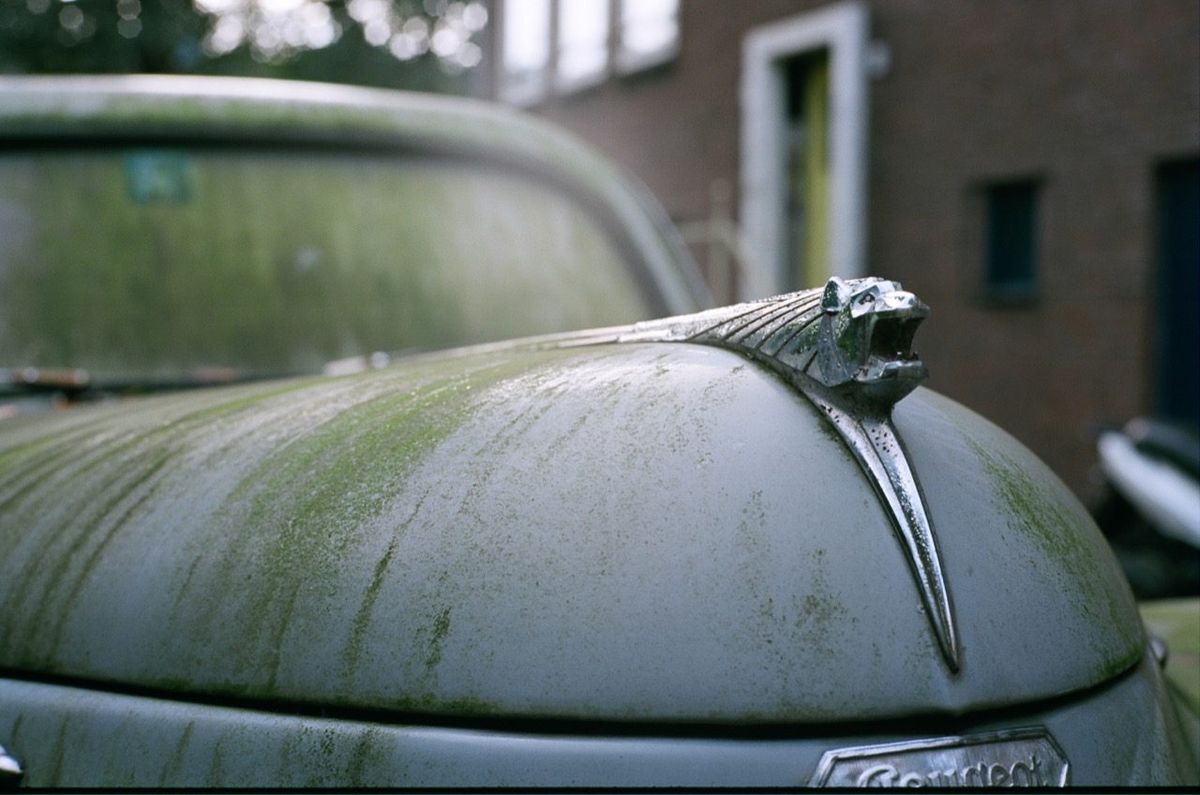
I don’t know how long ago this car was set here, but I imagine that it hasn’t moved in many years. It sits, undisturbed, in a side-alley of a side-street – tucked away from the bustle of the city centre.
Footnotes
These photos would not have been possible without the support and love of my wife Ashley.
Amsterdam, Netherlands